May we gift kindness before things, attention before obligation, and compassion before convenience. And may this season remind us that the smallest, simplest deeds often become the ones that matter most, not just to others, but to our own hearts.
Wishing you a gentle, conscious, joy-filled Christmas.
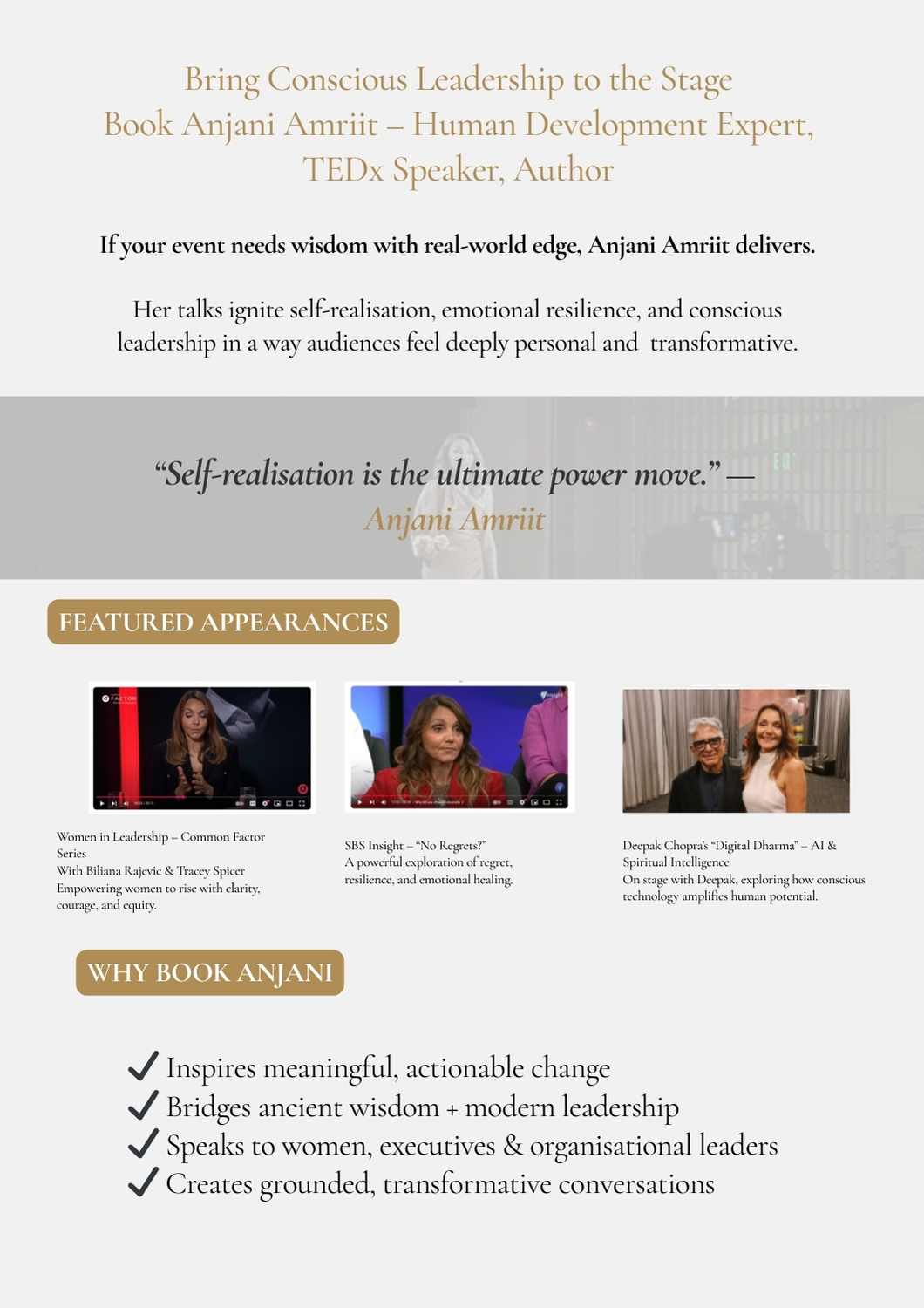
Anjani Amriit
Editor-in-Chief, Doing Good Deeds
Human Development Expert
Speaker | Author | Mentor | Editor in Chief
www.anjaniamriit.com


P.P.S If you have a good deeds story please reach out to us at [email protected]. We would love to hear from you.

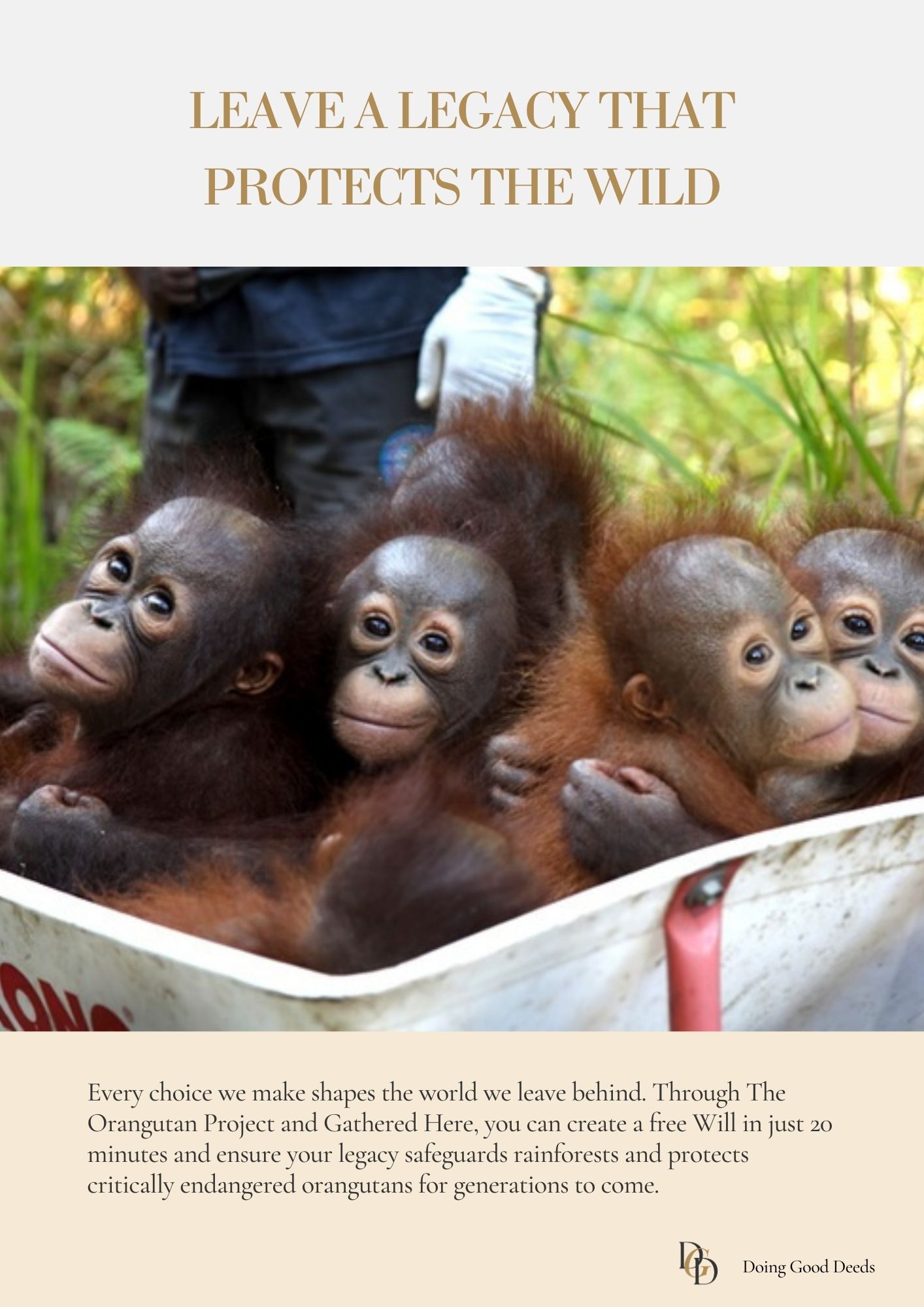
For those who care deeply about the wild, The Orangutan Project has partnered with GatheredHere to make it easy and free to leave a legacy gift in your Will that directly protects critically endangered orangutans and their rainforest homes.
Across Borneo and Sumatra, orangutans face one of the fastest habitat losses on Earth. Forests are cleared for palm oil, fires, and illegal logging, leaving countless orangutans orphaned or displaced. Without urgent and sustained action, these gentle, intelligent beings could disappear within our lifetime.
- Safeguard rainforest ecosystems from destruction and exploitation.
- Rescue and rehabilitate orphaned and injured orangutans.
- Support conservation programs that protect wildlife and empower local communities.
Imagine years from now, orangutans swinging freely through lush rainforest canopies, safe because of the step you took today. That's not just a Will, it's a promise of love, written into the story of the Earth.
If you'd like to explore how you can be part of this legacy of protection and care, and get the tools to create your own will in under 20 minutes: visit The Orangutan Project's partnership page to learn how your Will can help keep the wild alive forever.
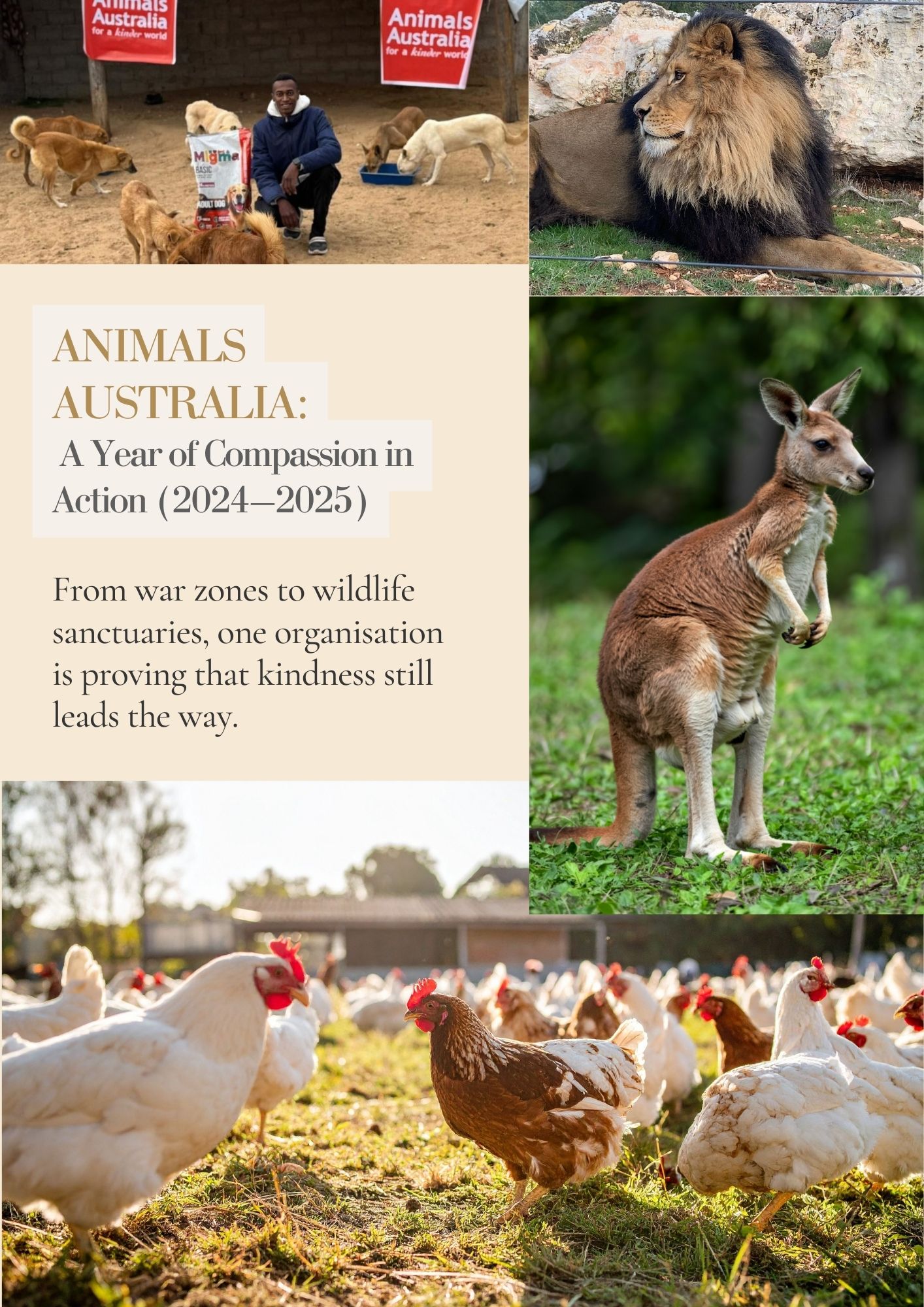
From the dusty streets of Gaza to Australian paddocks and corporate boardrooms, Animals Australia's 2024–2025 impact story is a reminder that empathy, when backed by action, can reshape the world.
Lifeline to Gaza's Forgotten Animals
In May 2024, when the flow of aid into Gaza came to a standstill, Animals Australia began coordinating one of its most complex rescue efforts yet. Working alongside Sulala Animal Rescue, the only registered animal protection organisation in Gaza, they spent months navigating border restrictions, securing permits, and preparing supplies.
Their perseverance paid off in February 2025, when 15 tonnes of animal food and medicine finally crossed from Egypt into Gaza. It was the first aid truck for animals since the war began.
The delivery brought a glimmer of hope to countless starving and injured creatures, dogs, cats, donkeys, and horses, all enduring unimaginable hardship. Sulala continues to hold weekly veterinary clinics and street feeding programs thanks to Animals Australia's ongoing emergency grants, ensuring that even in conflict, compassion finds a way.
This year, that promisestill stands strong. The lions now roam freely at Al Ma'wa Sanctuary, a peaceful refuge that guarantees they'll never again face exploitation or captivity. Their story has become a living testament to what long-term commitment and ethical guardianship look like in action.
Back home, Animals Australia amplified its campaign for one of the country's most iconic species, the kangaroo.
Partnering with supporters across the globe, the organisation challenged major sportswear brands such as Nike, Puma, and Diadora to phase out kangaroo leather. The movement gained massive momentum, with 73,659 emails from supporters calling for compassion over commercialisation.
The campaign didn't just target products, it sparked a conversation about Australia's relationship with its wildlife and pushed companies to reassess their role in creating a cruelty-free future.
Freedom for Farmed Animals
The organisation also made major strides for farmed animals. After years of campaigning, the national decision to phase out battery cages between 2022 and 2036 marked a milestone in animal welfare reform.
But Animals Australia isn't stopping there. The team continues to pressure governments and retailers to accelerate change because hens deserve liberation in years, not decades.
Through powerful storytelling and digital advocacy, their message reached millions: over 14.5 million views on Instagram and 12.3 million on TikTok brought the plight of caged animals into public consciousness, urging Australians to choose kindness at the checkout.
The Heartbeat of a Movement
Whether it's emergency aid, sanctuary care, or social justice for animals, Animals Australia has shown that compassion is not a sentiment, it's a strategy for change.
The 2024–2025 year revealed a global movement powered by generosity and grit. Each action, each rescue, each policy shift moves the world one step closer to a kinder, more conscious tomorrow one where animals are not commodities, but companions in life on Earth.
There are many ways you can support the incredible work that Animals Australia does.
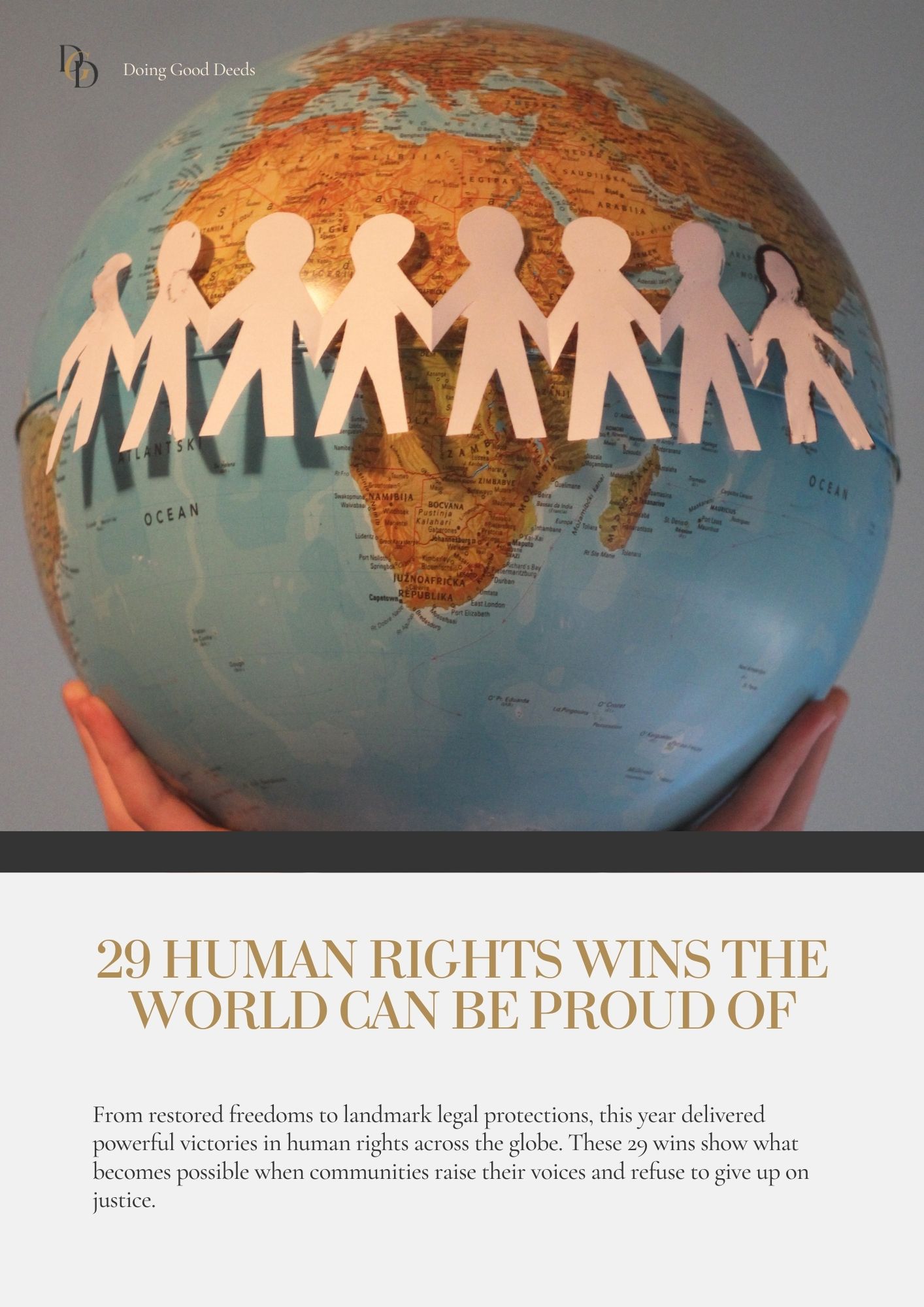
These wins span continents, cultures, and causes. Here are the themes that shaped this year's progress.
1. Stronger Legal Protections for People at Risk
Many victories involved new laws or strengthened policies that protect those facing discrimination or violence.These included:
- Expanded rights for women and girls.
- Recognition and protection for LGBTQIA+ communities.
These changes ensure more people can live with dignity, safety, and equal opportunity.
2. Hard-Earned Gains for Freedom of Expression
In several countries, authorities reversed restrictive laws, journalists were freed, and the right to protest was reaffirmed.
Key wins included:
- Removing criminal penalties for peaceful dissent.
- Protecting independent reporters and media outlets.
- Releasing activists previously detained for speaking out.
Every step reinforced a fundamental truth. Free expression is the heartbeat of democracy.
3. Survivors' Voices Leading Meaningful Reform
Survivors of gender-based violence, state harm, and discrimination sparked major reforms this year.
Their advocacy shaped:
- Stronger legal protections for survivors.
- Better reporting pathways and investigation systems.
-Greater accountability for perpetrators and institutions.
Their courage didn't just change laws, it changed lives.
Environmental defenders and Indigenous communities achieved landmark wins that recognised the connection between a healthy planet and human rights.
These included:
- Court decisions linking environmental damage to human rights violations.
- Victories protecting culturally significant and ecologically vital land.
- Halting harmful extractive and industrial projects.
These wins show that environmental justice is integral to human well-being.
5. Accountability for Abuses and Violations
Across the world, courts and international bodies took steps to investigate injustice, address corruption, and respond to war crimes.
Examples included:
- Progress on international investigations.
- Legal rulings condemning repression and systemic discrimination.
- Sanctions and legal consequences for human rights offenders.
Each one strengthens the global expectation that abuses will not be ignored.
Why These Wins Matter
Together, these 29 achievements remind us that progress is built by people, not only leaders, but everyday individuals who write letters, sign petitions, march, donate, speak up, and refuse to stay silent.
They show us that:
Hope is a strategy.
Change is possible.
And humanity, when united, is powerful.
Ways You Can Help or Get Involved
Read the full list of human rights victories highlighted by Amnesty International.
Women With Disabilities Australia (WWDA) is one of those rare movements. Run entirely by women and gender-diverse people with disabilities, WWDA represents a powerful and often overlooked community of more than two million Australians.
Their work is grounded in lived experience, and that's what makes it so deeply real, so compassionate, and so effective.
Women and gender-diverse people with disabilities face some of the highest rates of discrimination, exclusion and violence in the country.
WWDA exists because no one should have to navigate these experiences alone.
They step in where systems fail.
They challenge policies that don't protect people.
They push back against stereotypes that limit opportunity.
And they bring humanity, dignity and leadership to spaces where these voices were historically missing.
Their mission isn't to "fix" people, it's to fix the systems that failed them.
Creating Safety and Support
WWDA advocates passionately for women with disabilities experiencing violence or abuse. They push for stronger protections, trauma-informed services and fair pathways to justice.
Championing Leadership
True inclusion means representation.
WWDA creates pathways for women and gender-diverse people with disabilities to sit at decision-making tables reshaping policies, systems and expectations from the inside.
Improving Access to Health and Choice
They fight for accurate, accessible sexual and reproductive health information and for respectful healthcare that honours autonomy and consent.
Expanding Opportunities in Work and Education
WWDA works to remove the barriers that limit education, employment and economic independence because financial freedom and opportunity should be available to everyone.
WWDA's impact isn't just organisational, it's cultural. Every project, partnership and policy shift they inspire pushes Australia closer to becoming a society where every woman and gender-diverse person with a disability is seen, valued and empowered.
Their work reminds us that real inclusion isn't a slogan.
And that is something truly worth celebrating.
How You Can Get Involved
To learn more, join their community or support their advocacy:
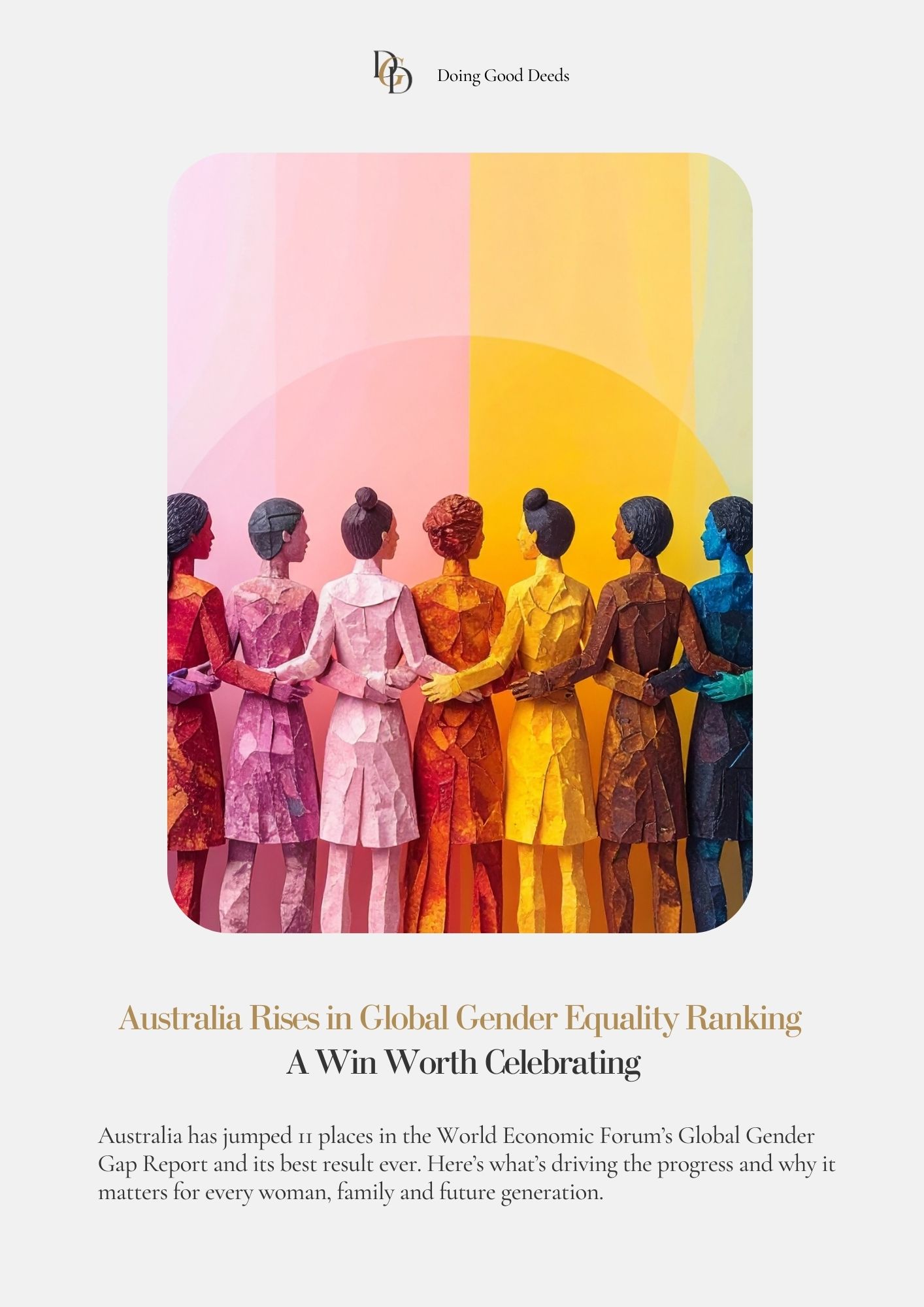
Australia has officially climbed 11 places in the World Economic Forum's Global Gender Gap Report, ranking 13th out of 148 countries. It's the best result since the report began in 2006 and a massive turnaround from our low point of 50th place just four years ago.
For a country that has wrestled with gender inequity for generations, this shift is more than a number. It's proof that when governments invest in women, families and equality, entire nations move forward.
What's Driving Australia's Rise?
The report highlights three major areas where Australia made meaningful progress:
1. More Women in Leadership and Politics
Female political empowerment improved and it shows. Every time more women take seats in parliament, on boards or in leadership, the ripple effect strengthens the entire ecosystem of equality.
2. Growing Economic Participation
Policies supporting women's wages, economic opportunities and job access are beginning to pay off. Women are not only participating more, they're shaping industries, businesses and communities in new ways.
3. Outstanding Education Achievements
Australia ranked equal first in:
- literacy,
- university enrolment for women.
These results remind us that education is one of the most powerful levers for long-term equality.
This jump isn't just a win for women, it's a win for families, workplaces, communities and the economy.
Equality isn't a "women's issue." It's a human issue. When women thrive, countries thrive.
More women in leadership leads to better policy. Greater economic access leads to healthier families. Improved safety leads to stronger communities. Better parental leave and childcare support leads to a future
This is the kind of progress that fuels hope.
Leaders and advocates across the country were quick to celebrate and also quick to remind us that big leaps are only the beginning.
There are still major reforms needed, especially around:
* expanding paid parental leave,
strengthening childcare access,
* closing the gender pay gap,
* addressing gender-based violence, and
* improving economic equity for women in all industries.
As Minister for Women Katy Gallagher put it, this result shows the government is "shifting the dial." And as advocates like Georgie Dent remind us, meaningful change must continue.
What you shouldn't see is mountains of discarded fast fashion clothing bleaching under the sun, shoes buried in sand dunes, or clouds of toxic smoke rising from piles of burnt fabric.
For years, this has been the heartbreaking reality in northern Chile, where more than 123,000 tonnes of used clothing arrive every year. What doesn't get resold often ends up in the desert creating a sprawling, toxic symbol of the world's throwaway fashion culture.
But now, there's good news. The kind of good news that reminds us that environmental justice is possible when governments step up and systems begin to shift.
A Breakthrough: Chile Declares Textiles a "Priority Waste"
In a move that environmental advocates are celebrating globally, Chile has officially added textiles to its extended producer responsibility law, a landmark decision that forces importers and companies to take responsibility for the waste they create.
For the first time ever, the fast fashion industry won't be allowed to simply dump and disappear.
Companies that bring in the clothing must now track it, manage it, repair it, recycle it and ultimately stop it from ending up in the desert.
This is more than a policy change. It's a cultural shift.
The fashion industry is one of the largest polluters on the planet. Globally, textile production is projected to skyrocket from 109 million tonnes in 2020 to 145 million tonnes by 2030. Without intervention, waste grows with it.
Chile's new move pushes the country away from a "buy, dump, burn" model and towards something far more sustainable:
- repairing clothes
As Beatriz O'Brien from Fashion Revolution said, this is the spark for "a new consumer culture" one where clothing is valued, not disposable.
The Human Side: Supporting Communities, Not Landfills
This issue isn't just environmental; it's deeply social.
Tons of clothing are sorted daily by migrant workers at the freeport in Iquique.
The best pieces are resold, giving income to families and supporting local markets.
But the waste? That ends up in poorer regions like Alto Hospicio, where burning piles of unwanted clothing exposes communities to toxic smoke.
Chile's new law aims to break this cycle protecting both the land and the people who live closest to the impact.
Chile now stands as one of the first countries in the world to regulate textile waste this boldly. They've recognised that fast fashion isn't just a style problem it's a climate problem, a community problem, and a human problem.
And in a world hungry for environmental good news, Chile's action shows:
🌱 Governments can hold companies accountable
🌱 Circular economies are possible
🌱 Even the largest environmental problems can change direction
This is the kind of leadership our planet needs more of.
Good news grows when we participate in it.
How You Can Play Your Part
You can help reduce fashion waste by:
🙌 buying less and choosing better
🙌 buying from second hand and thrift stores
🙌 supporting slow fashion and ethical brands
🙌 donating, repairing and repurposing clothing
🙌 championing circular economy initiatives in your community
🙌 sharing stories like this that inspire global action
Every conscious choice keeps clothing out of landfills and out of deserts like the Atacama.

Whether it's a live pine cut for the season or a plastic tree stored in a cupboard, both seem harmless. Festive. Part of the "magic."
But beneath this tradition lies a deeper story, a spiritual one, an ecological one that we've forgotten.
Before Christmas was commercialised and shopping centres were filled with glittering trees, the evergreen wasn't a decoration at all. It was a teacher. A symbol. A living bridge between heaven and earth.
As the world faces ecological crisis and collective disconnection, remembering the true meaning of the Christmas tree may be one of the most meaningful acts we can take.
The Sacred Meaning We Lost
Long before Christianity, communities across Europe honoured the evergreen tree as a symbol of:
- Endurance during the harsh, dark winters
- The return of light after long nights
- Life that cannot be extinguished
- The eternal link between the human and the divine
These trees were never meant to be cut. They were honoured where they stood, alive, rooted, connected.
People gathered around living trees, offering fruit, candles, and blessings as gestures of gratitude for the Earth's protection during winter.
The tree wasn't a product. It was a reminder that life persists, light returns and our Mother Earth is our first and forever sanctuary.
Why Cutting or Buying a Tree Misses the Point
A cut tree breaks the ancient covenant
Most Christmas trees take 7–12 years to grow only to be cut down for a few weeks of decoration.
The original wisdom honoured the tree as a living being, not seasonal décor.
Plastic trees harm what the season is meant to protect
Plastic trees are:
- Made using petroleum
- Produced in high-emissions factories
- Non-recyclable
- Destined for landfill
- Break down into microplastics that pollute the Earth
They remain on the planet for centuries long after any Christmas memory has faded.
Christmas is meant to celebrate renewal, not contribute to environmental harm.
The connection between trees and the sacred is even more profound than we remember.
Traditionally, ashes used on Ash Wednesday were made from burned palms or sacred tree branches. The tree transformed from physical form into a symbol of spiritual purification.
When ash is placed on the third eye, it represents:
- Inner clarity
- Dissolving illusions
- Returning to spiritual truth
- Remembering our responsibility to all living things
The tree becomes ash. The ash becomes a blessing. The blessing awakens our inner sight.
Trees were always part of our spiritual journey, not props for celebration.
A New (Old) Way to Celebrate Christmas
This season, we don't need a new tradition. We need to return to the ancient one. The one that honours life instead of consuming it.
Celebrate living trees outdoors
Choose a living tree in your garden, local bushland or neighbourhood.
Adorn it gently with:
- Simple ribbons
- Dried citrus slices
- Bells
- A handwritten blessing
- Your heart / hugs
Let it remain alive. Let it stay rooted. Let it stay where it belongs.
How You Can Be Part Of The Solution
- Plant trees each Christmas
Imagine if every home planted just one tree every December. We could regenerate forests within a generation and raise children who see Christmas as a time of stewardship, not consumption.
- Support organisations restoring nature
If planting isn't possible, support those who do this work with devotion.
One extraordinary example is Green Sakthi, a movement restoring sacred groves, regenerating forests, protecting biodiversity, and teaching children the sacred relationship between humans and the Earth.
This is the true spirit of Christmas. Giving life back to the world that gives us everything.
Because the greatest gift you can give this season is the one that lasts for generations.

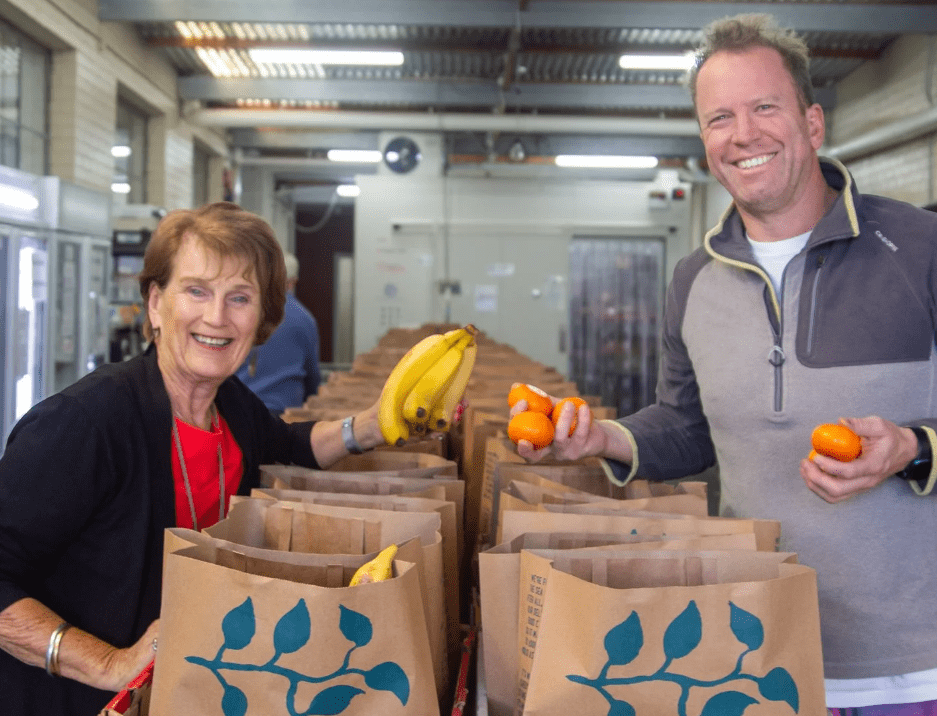



The Ascension Academy

This season amplifies whatever sits quietly within us: grief, longing, transitions, unmet expectations, the ache for deeper connection. When the world speeds up, your soul may simply be asking you to slow down and come home to yourself.
Instead of resisting the loneliness, treat it as a gentle messenger. Ask what part of you is wanting to be held, heard, or witnessed.
Light a candle for the person or memory you're grieving. Offer a prayer, a whisper, or a moment of silence. Ritual transforms pain into meaning. Healing isn't about "getting over" loss. It's about letting your heart expand enough to hold both memory and possibility. When you honour your grief, you honour your love. And love is the true spirit of Christmas.
Before you say yes to anything, pause. Breathe. Ask yourself: Does this nourish me or deplete me?
Your inner guidance always knows. Setting gentle boundaries is not withdrawal, it is wisdom. When you honour your limits, your presence becomes purer, calmer, and more genuine. That is the greatest gift you can give yourself and everyone around you.
Have a burning question in mind?
Email Anjani at [email protected] with your question, and it might just feature in our next edition of Doing Good Deeds.
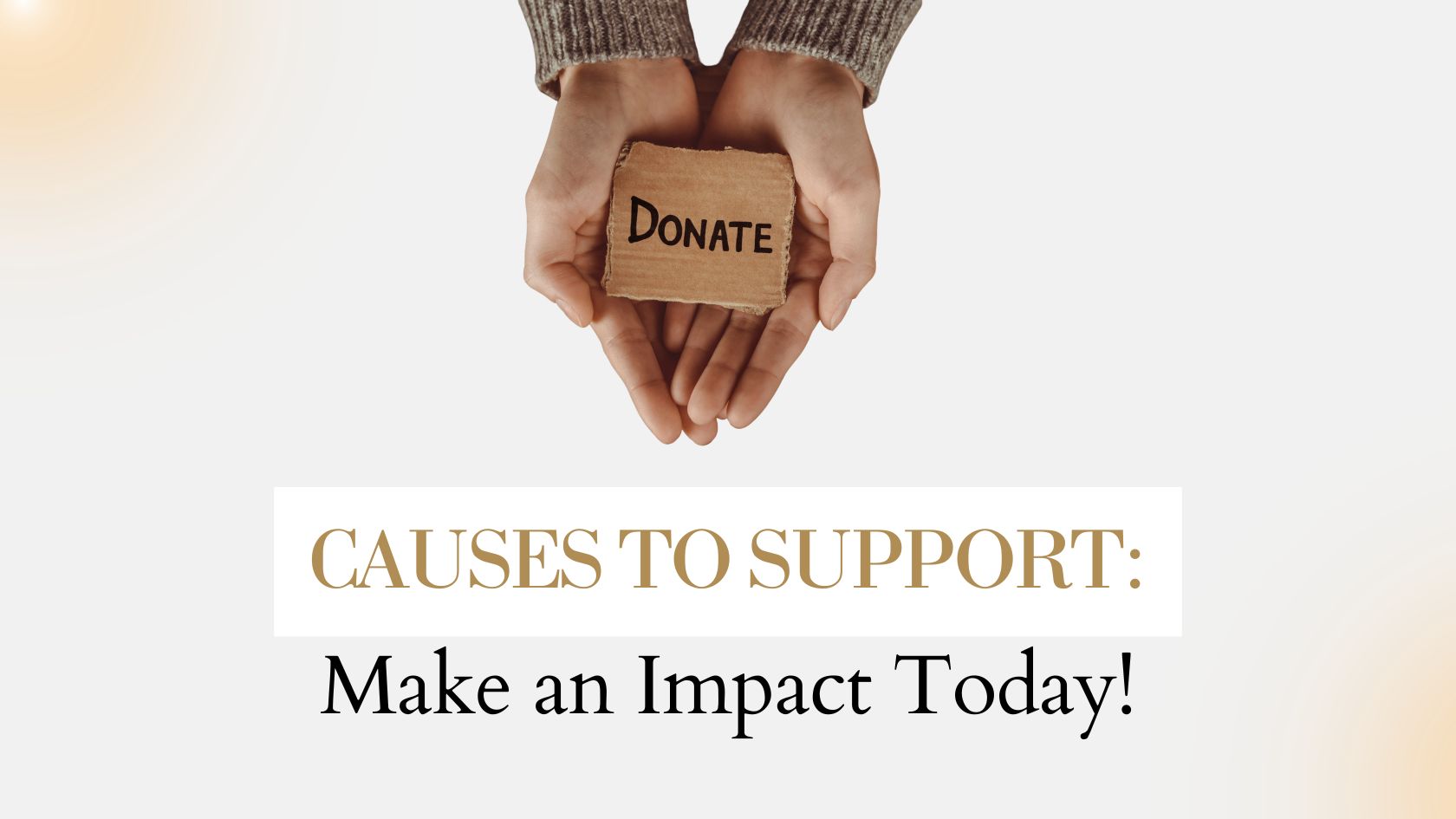

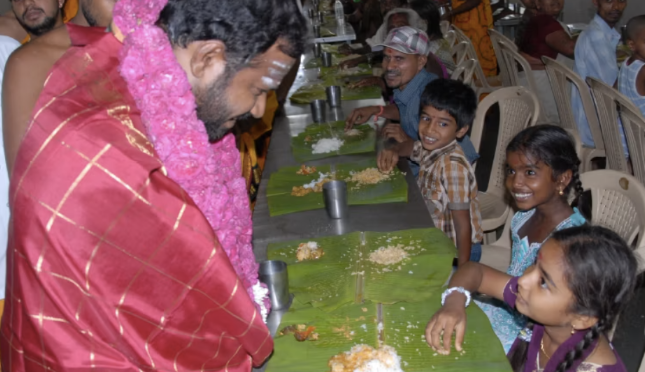
Narayani Food Seva, or Anna Dhanam, has been nourishing thousands of people every single day since its inception in 1999. Hosted at Sri Annapoorani Mandapam in Sripuram, this initiative provides free meals to 8,000–10,000 people daily, ensuring that no one leaves hungry.
This program supports local schools, orphanages, and families in need. The solar-powered kitchen and biogas fuel system help sustain this incredible mission and stay environmentally green.
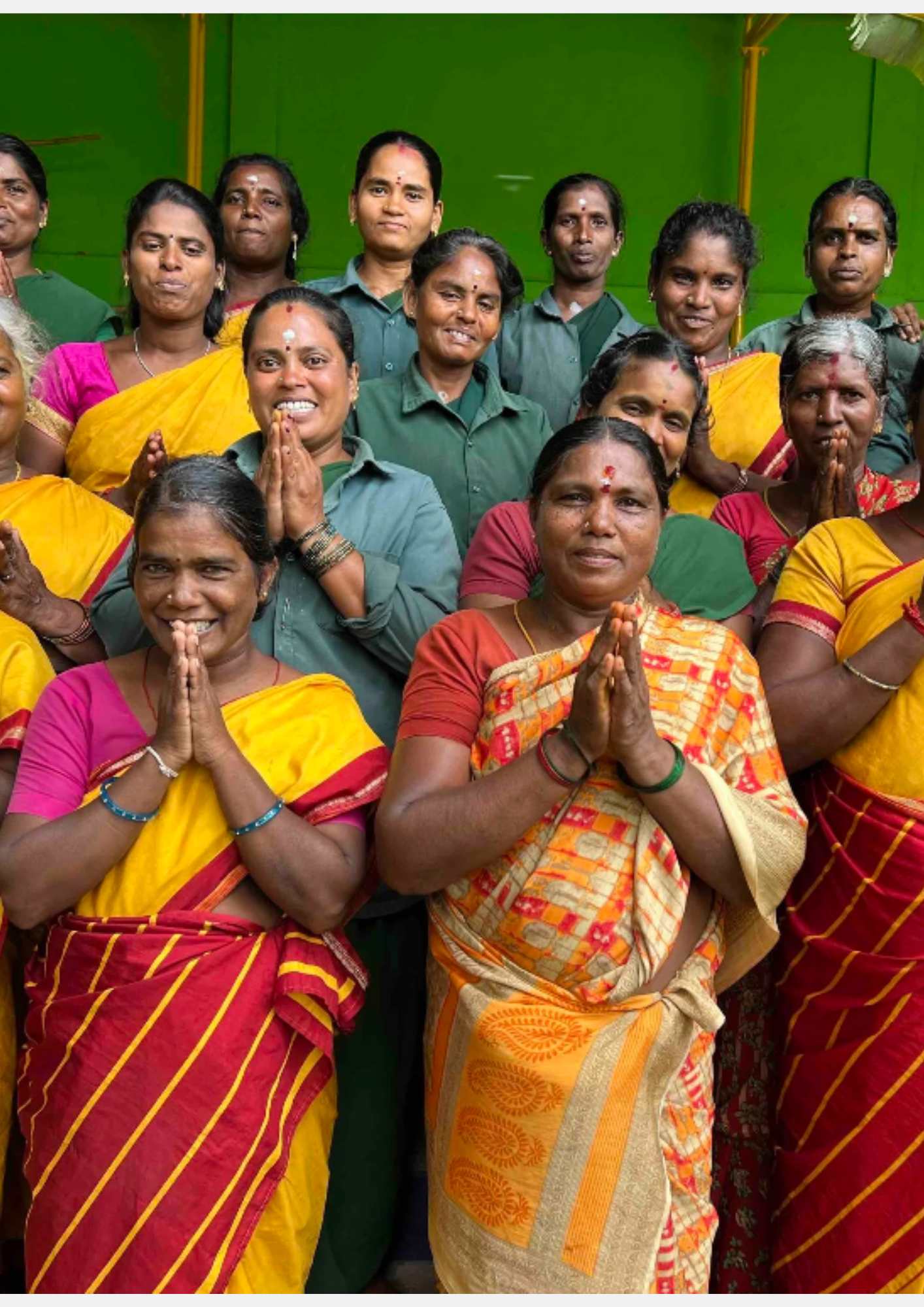
Green Sakthi's work in tree planting, organic farming, and ecological education is more than a project; it's a living practice of dharma. By donating, you are planting seeds not just in the soil, but in your own destiny.
When we support causes like Green Sakthi, we're not just giving back to the planet, we're participating in an ancient cycle of reciprocity that nourishes the Earth and our own soul. Every act of selfless giving clears our karmic mirror, allowing our true nature to shine

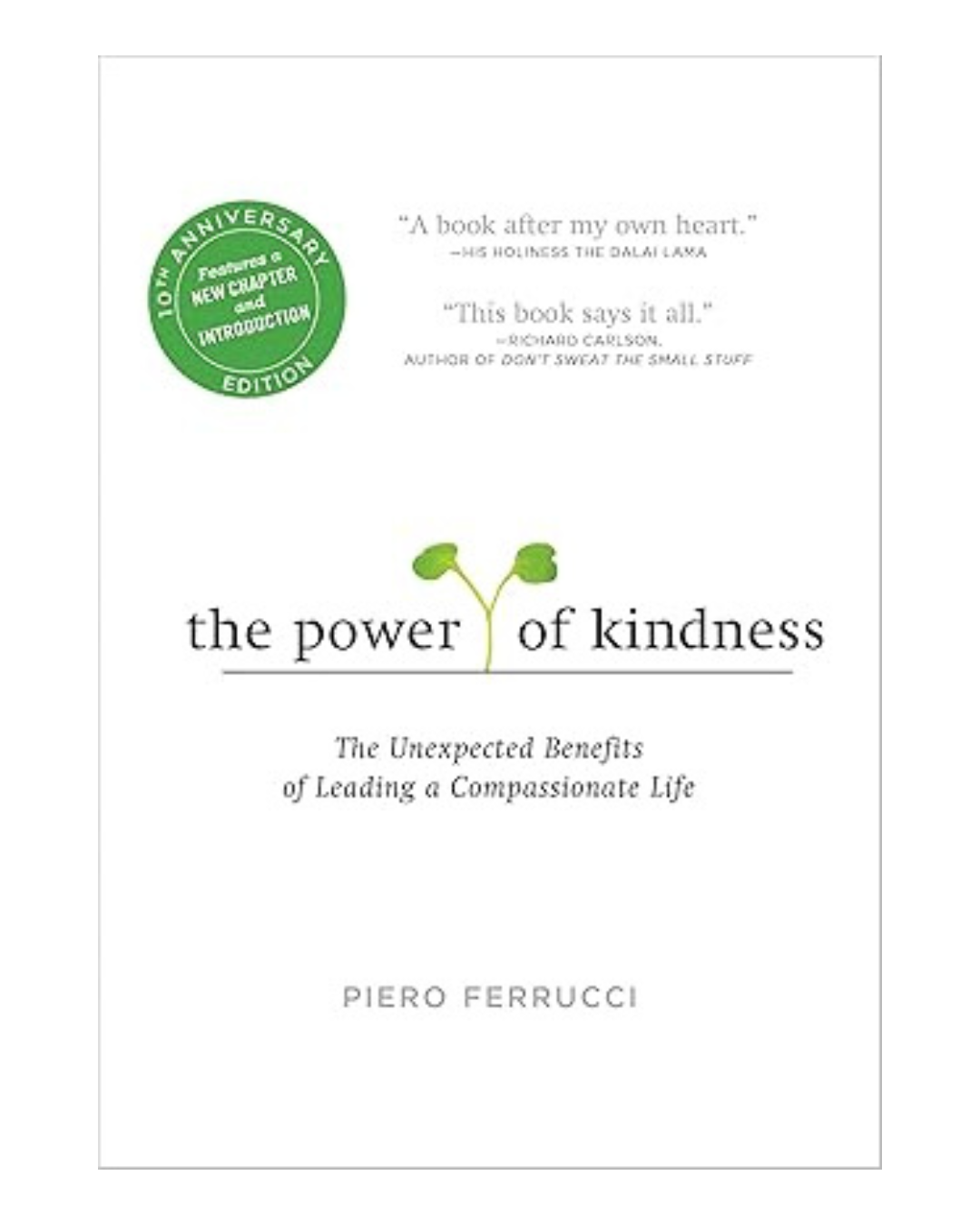
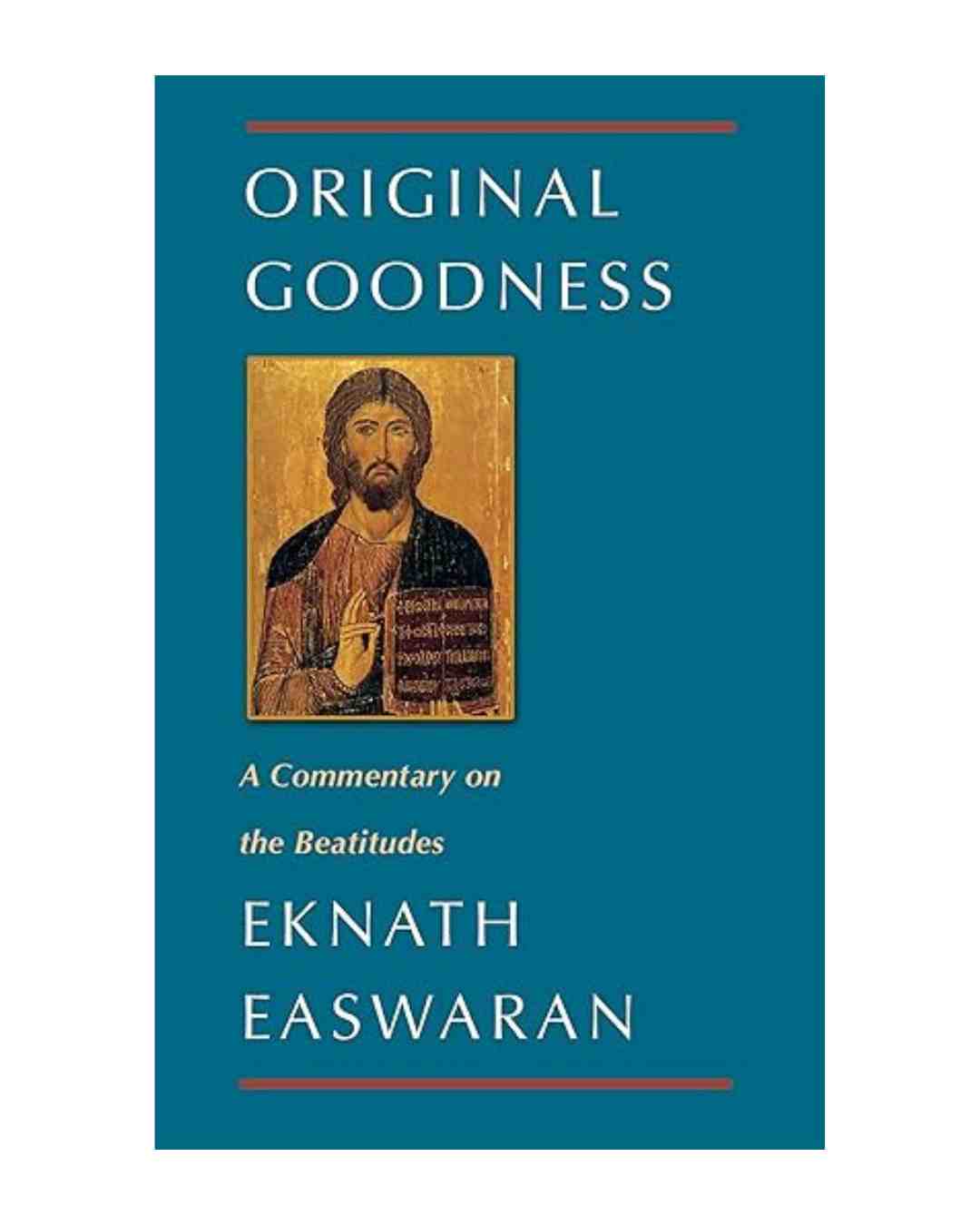
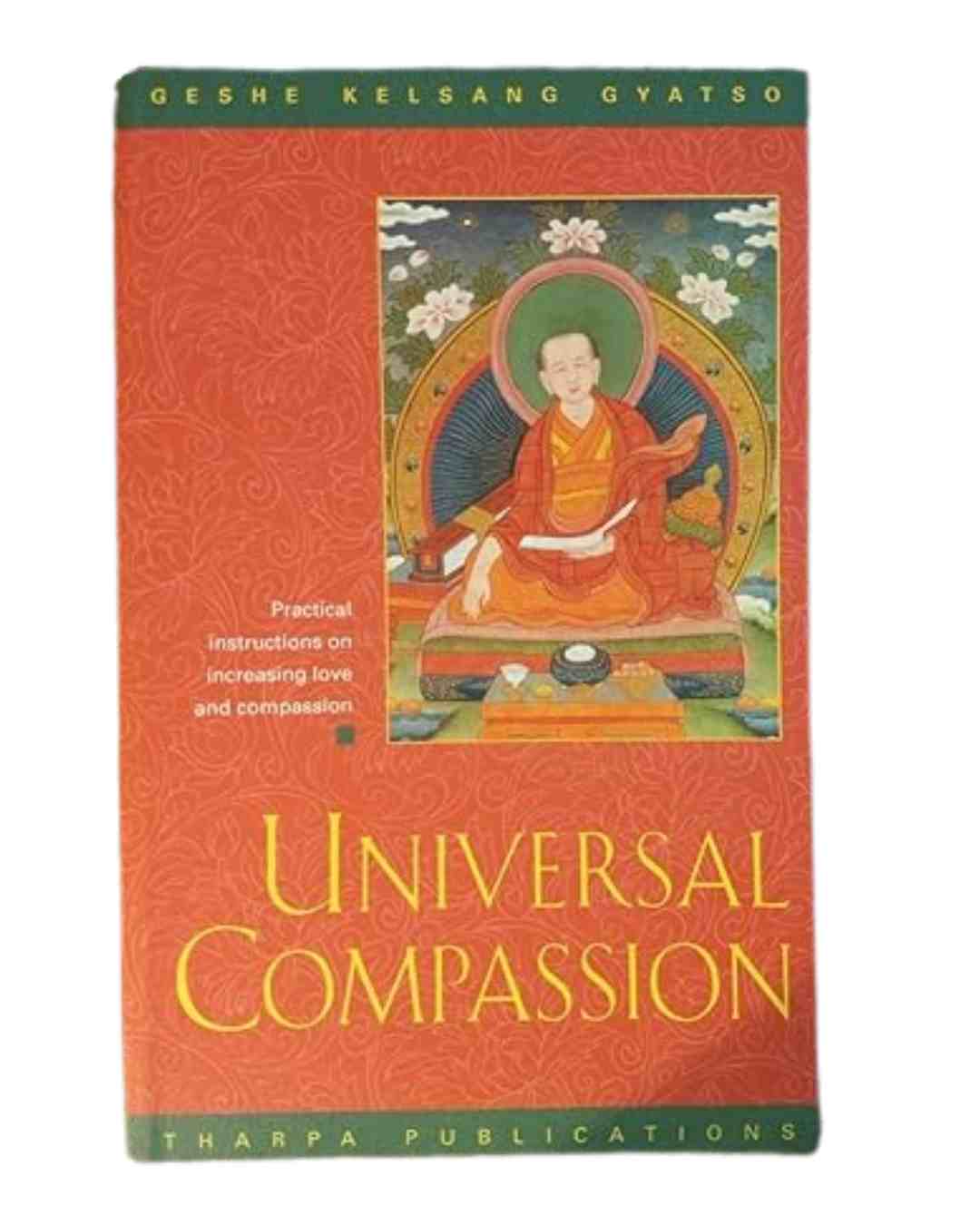
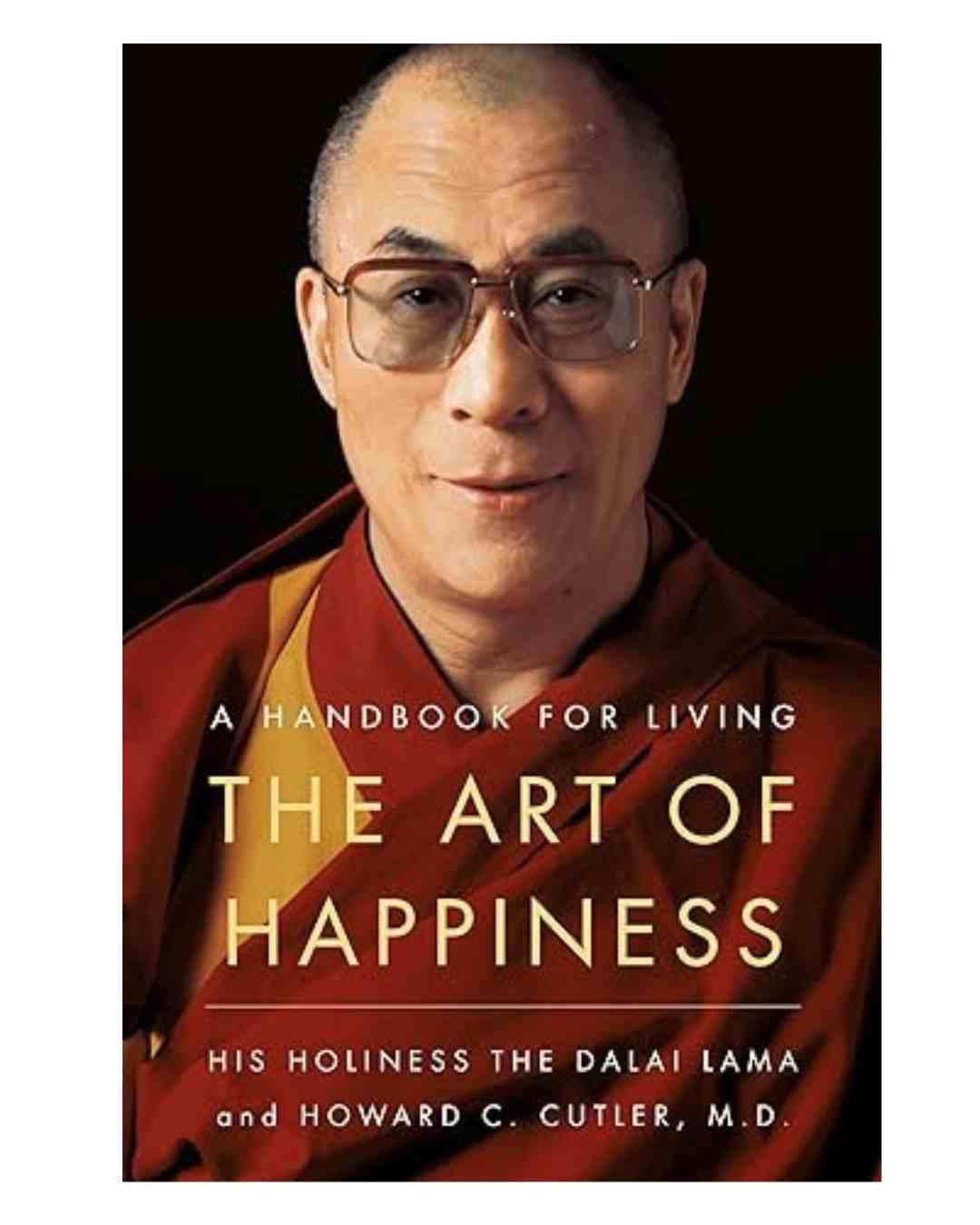
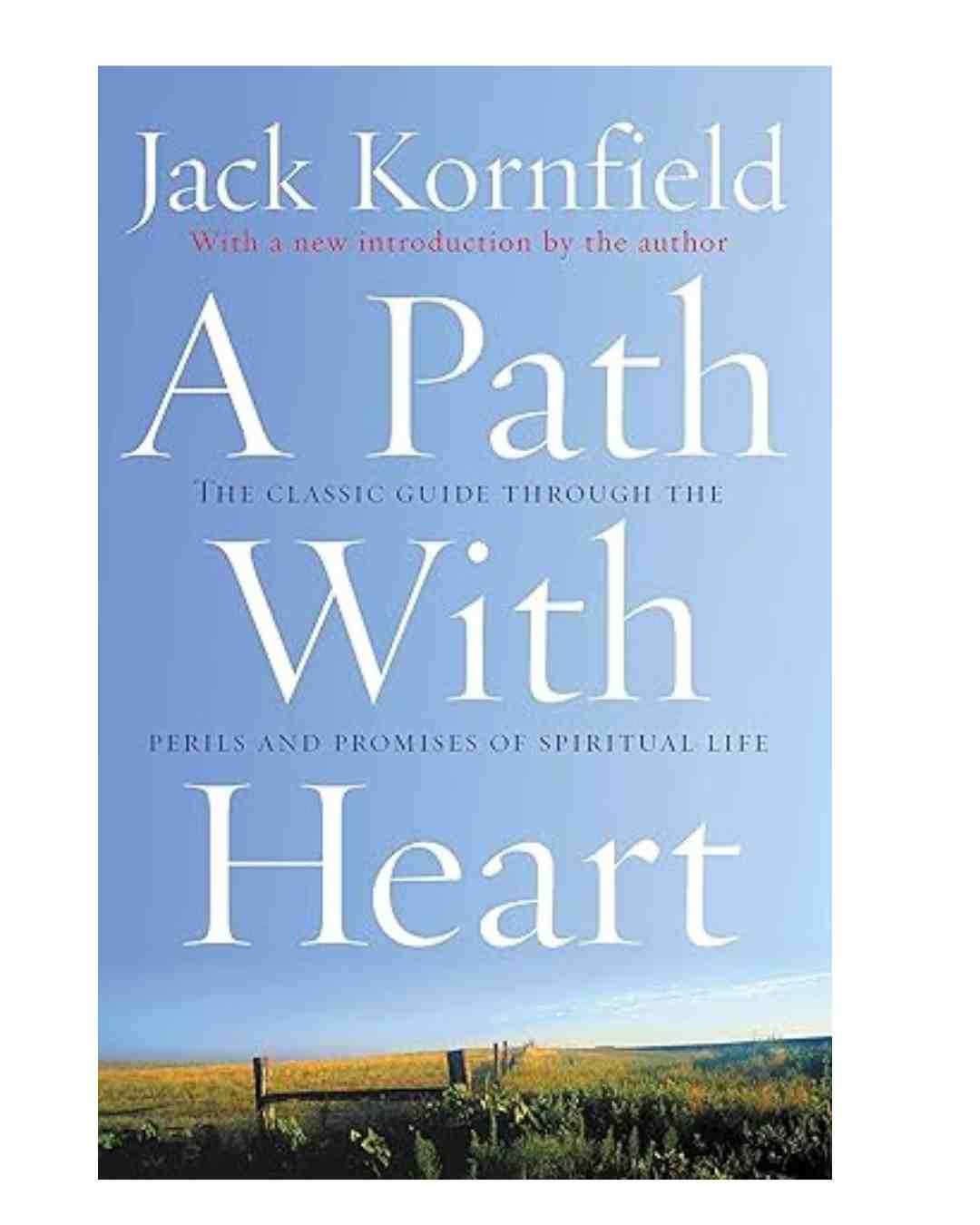
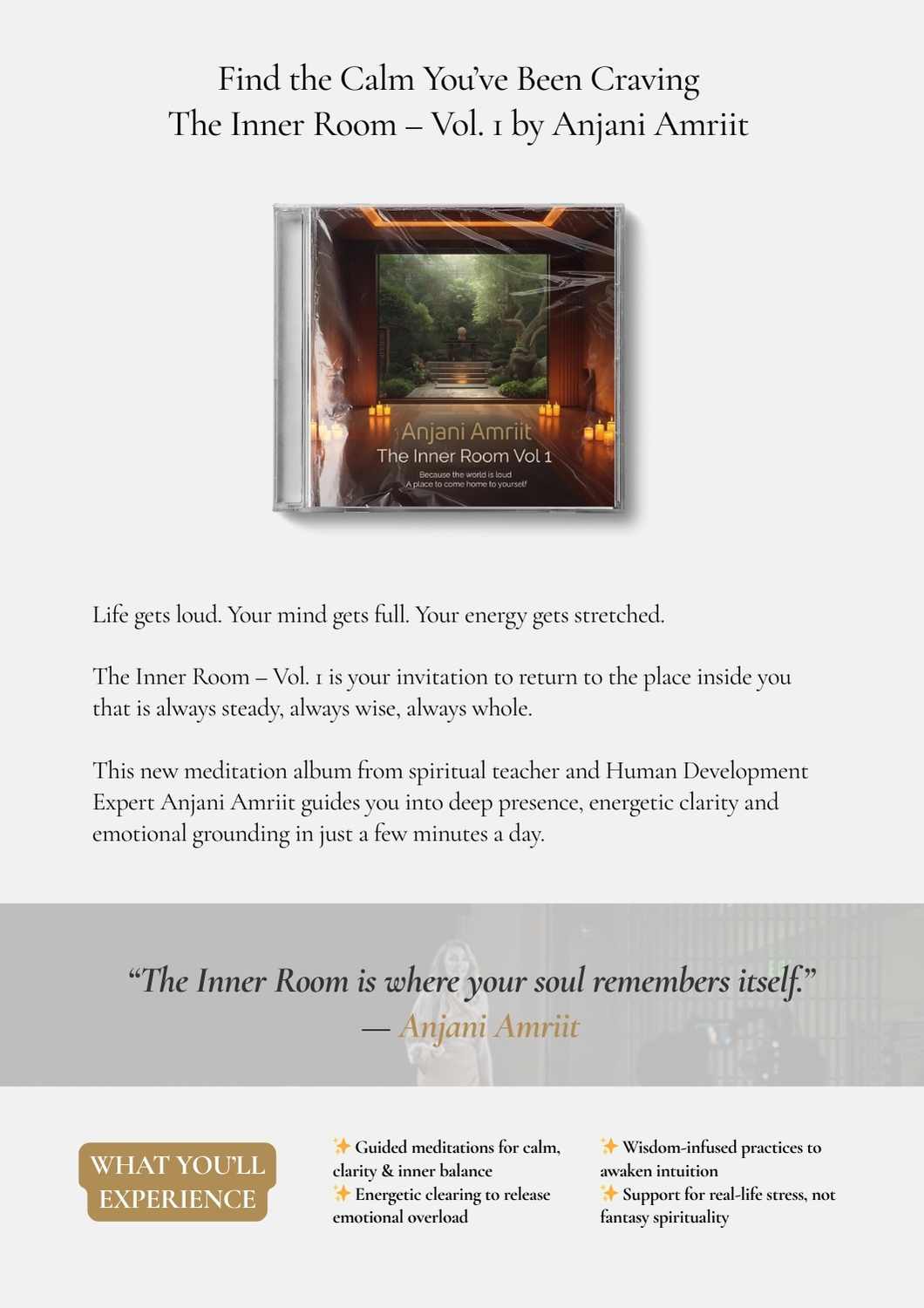
In this section, I want to share with you some must-read books that inspire, educate, and motivate us to make meaningful changes in our lives and the world around us.
These books will empower you to take action and create a positive impact.
Dive into these powerful reads and discover how you can contribute to a better world.


Follow us on social media and become part of the Doing Good Deeds community. Share your stories, your actions, and your vision for a better world with us at [email protected] . Together, we'll continue to inspire others to take action.
Get Involved
Want to contribute to the magazine or have a story you think deserves to be shared? We're always looking for inspiring voices and fresh perspectives. Reach out to us at [email protected] and let's create something extraordinary together.
Until next time, keep doing good, and keep spreading kindness.
Doing Good Deeds Magazine Where Purpose Meets Impact
Publisher & Editor In Chief
Speaker | Author | Facilitator | Mentor
Managing Editor & Creative Director