
As we embrace the festive spirit, this edition brings to light heartwarming stories of transformation, innovative initiatives, and the collective power of humanity to make a difference.
In the true spirit of the holidays, we invite you to reflect on your own capacity to create positive change, whether through small acts of kindness, volunteering, or supporting the incredible initiatives featured within.
Your continued engagement is the cornerstone of this movement, and we're so grateful for the support that makes Doing Good Deeds possible. Let's make this season brighter by spreading love, justice, and hope, together.
Wishing you a joyous and meaningful Christmas,

P.P.S If you have a good deeds story please reach out to us at [email protected]. We would love to hear from you.

This law aims to protect employees from the constant pull of after-hours work communication. Essentially, it means that unless there's a really good reason, employees are not required to check emails, texts, or take calls outside their regular working hours. This law acknowledges the toll that 24/7 availability takes on mental health and wellbeing, paving the way for healthier boundaries in the workplace.
Making the Most of the Right to Disconnect
Whether you're an employer or an employee, here's how to make this law work in favour of mental health and workplace wellbeing:
For Employees
- Update Your Mindset: When you hear the voice of your fear brain telling you that you could lose your job, you should feel guilty or you simply must work out of office hours to get it all done, it's time for a mental update. These programs are outdated, rooted in survival instincts rather than modern realities, and no longer serve your growth or wellbeing. By recognising these limiting beliefs, you can choose to reframe them with empowering thoughts and actions.
-Prioritise Communication: If after-hours contact is unavoidable, request clarity on expectations for when and how to respond.
-Protect Your Mental Health: Use your off-hours to recharge, engage in self-care, and spend time with loved ones. This will recharge your batteries so that you have enough energy for tomorrow.
For Employers
- Foster a Culture of Respect: Encourage managers to lead by example by not sending after-hours emails or texts unless critical, or including a sign off that responding is not necessary until work hours.
- Policy Clarity: Establish clear workplace guidelines about after-hours communication, making it clear what is reasonable.
- Support Wellbeing Initiatives: Provide tools and resources that encourage employees to unplug, such as wellness programs or mindfulness workshops.
Why It Matters
Studies show that always being "on" increases stress, burnout, and even physical health issues. Employees who unplug experience better focus, higher morale, and overall improved productivity. Employers, in turn, benefit from a more engaged and satisfied workforce.
By embracing this law, we can redefine what it means to work, and thrive, in a healthier, more balanced way.
Call to Action
This is an extraordinary opportunity to reimagine the rhythm of work and life through a lens of harmony and mindfulness. For employers, it's a chance to create environments rooted in respect, where teams can flourish with renewed energy and purpose. For employees, it's an invitation to honor your own well-being by setting clear boundaries and embracing the sacredness of your time.
Mindset Shift: Shift your perspective from productivity at all costs to honoring cycles of work and rest. Just as nature requires periods of stillness to regenerate, so do we. This law serves as a gentle nudge toward a more sustainable and nourishing way of living and working.
Practical Tip: At the end of each workday, practice a simple ritual to mark the transition from work to personal time. This could be lighting a candle, journaling for five minutes, or saying an affirmation like, "I honor my time and give myself permission to rest." This small act can anchor your mindset in balance and help you embrace the fullness of your non-working hours.
Self Reflection Question
What are your thoughts on the Right to Disconnect law? How will you implement these practices to improve your work-life balance?
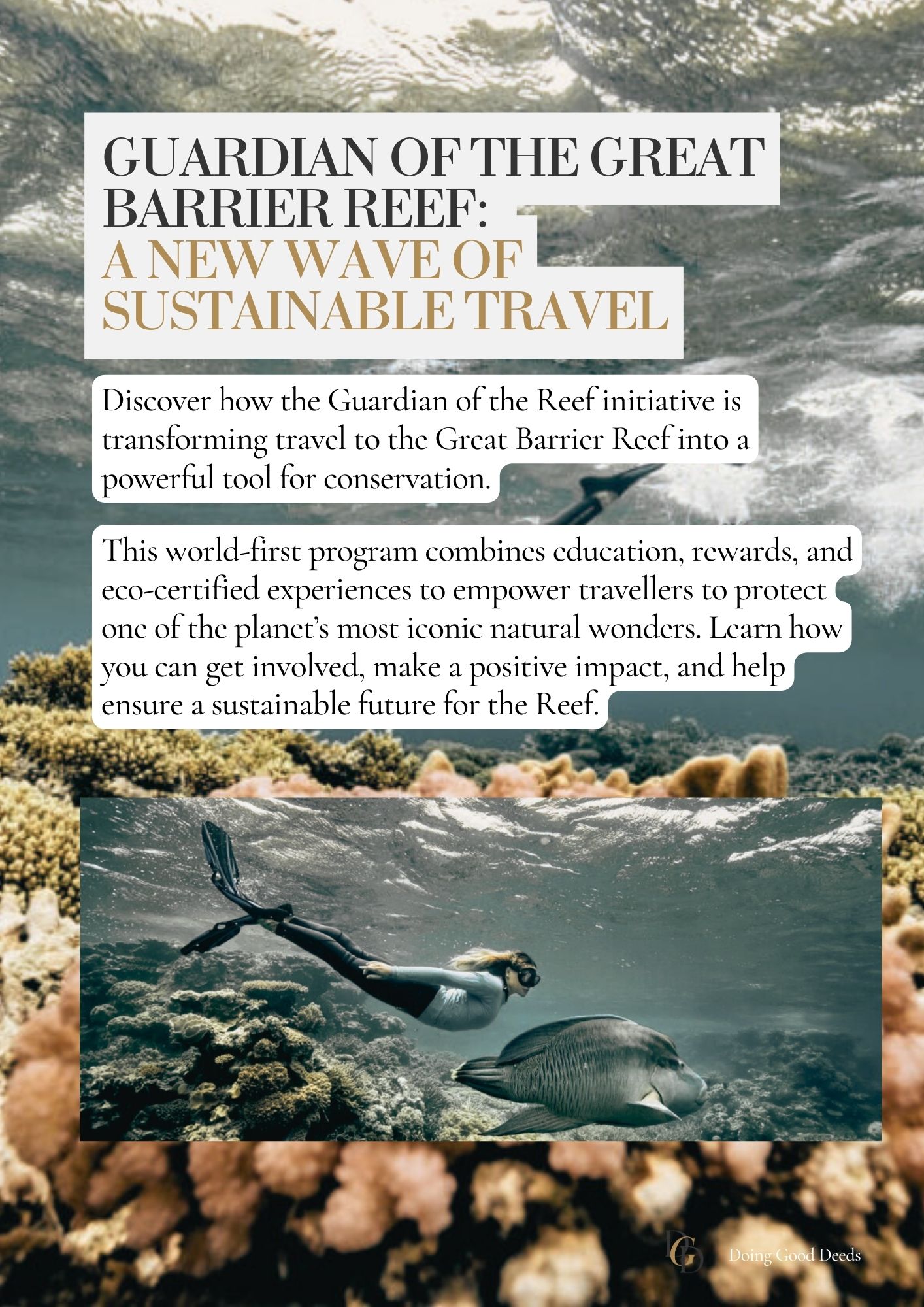
The Guardian of the Reef initiative is a groundbreaking partnership between Tourism Tropical North Queensland (TTNQ) and Expedia, to combine education, conservation, and tourism to protect the Great Barrier Reef. This interactive platform encourages travellers to make reef-positive choices while offering rewards, such as discounts and exclusive experiences, for learning about the Reef's health and conservation efforts.
What Travellers and Operators Can Do
1. Travellers
- Engage with Educational Content: Visit the Guardian of the Reef website to learn about Reef conservation and earn travel rewards.
- Choose Eco-Certified Operators: Support businesses committed to sustainable practices such as Natural Habitat Adventures.
- Understand Your Impact: Check out South Pole, an organisation that offers solutions for businesses, governments, and organisations to take effective climate action, including developing and financing carbon projects, providing digital tools to measure and reduce emissions, and supporting corporate sustainability strategies, all while advancing global sustainable development effort .
2. Tourism Operators
- Obtain Eco-Certification: Align with sustainability standards to meet the growing demand for environmentally-conscious tourism.
- Educate Visitors: Incorporate conservation messaging into your tours and experiences to foster awareness and appreciation.
Best Practices for Sustainable Tourism
- Participate in reef-positive programs like Guardian of the Reef to raise awareness and drive impactful actions.
Call to Action
This is an awakening, a call to reconnect with the earth's intricate rhythms and embrace our role as stewards of something precious and irreplaceable. The Guardian of the Reef reminds us that each choice we make holds the potential to ripple through time, safeguarding the Great Barrier Reef for generations to come.
Explore the Guardian of the Reef platform for your next vacation to deepen your understanding, make reef-positive decisions, and be part of a collective journey toward conservation. Let's play our part to ensure that this vibrant ecosystem thrives, embodying the enduring spirit of connection and renewal.
A Unique Curriculum for Holistic Growth
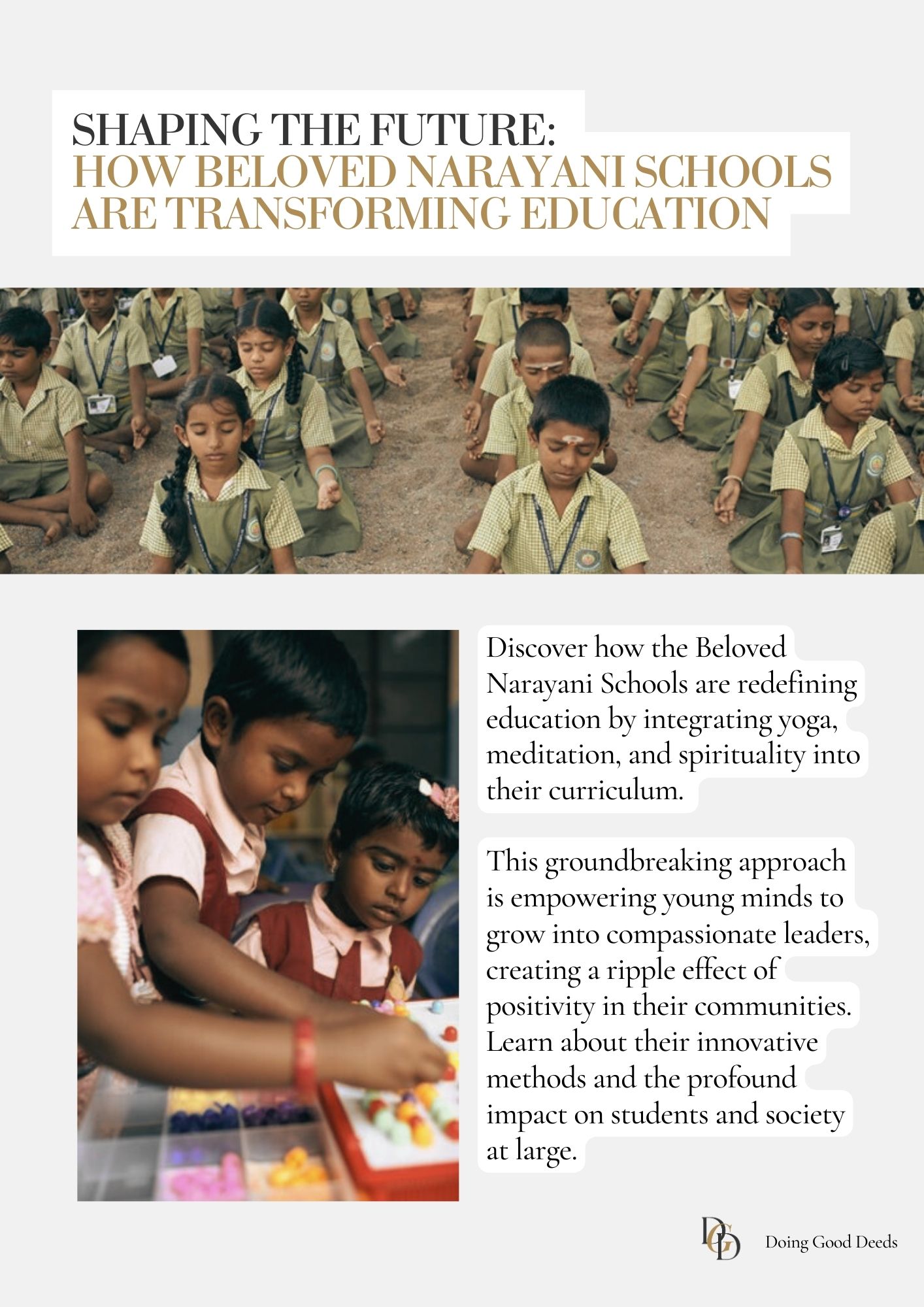
Founded by Sri Shakti Amma, the Beloved Narayani Schools are based on the belief that education should extend beyond textbooks. The curriculum includes yoga, meditation, Vedic chanting, music, dance, and martial arts, fostering creativity, discipline, and spiritual growth. Children are taught in English, providing them with a competitive edge for tertiary education while ensuring cultural roots are preserved through Hindi and Tamil language classes.
Impact on Society
This initiative has profoundly transformed the lives of rural children, with 70% being the first in their families to read and write. Every graduate continues their education or enters the workforce, significantly uplifting their families and communities. The schools also instil a culture of giving back, where graduates sponsor the education of other students, creating a cycle of gratitude and support.
Best Practices for Parents and Educators
- Incorporate Mindfulness in Daily Routines: Parents can adopt simple yoga and meditation practices at home to support their child's mental and emotional well-being.
- Focus on Character Building: Educators should emphasise values like empathy and resilience alongside academic skills.
- Foster a Sense of Responsibility: Encourage children to participate in community service and other altruistic activities to build a deeper connection with society.
Call to Action
Want to be part of or support this inspiring journey of holistic education?
Among the highlights was a visit to the Beloved Narayani school, where the students left us in awe. They welcomed us with an enchanting yoga performance set to music, embodying grace, focus, and resilience. Then came a dazzling demonstration of mental mathematics, where the children's rapid calculations outpaced our own attempts with phone calculators. Finally, their presentations on AI innovations showcased a boundless curiosity and intelligence that left us inspired and humbled.
But beneath the wonder was a sobering reality. The school's AI department, brimming with talent and ambition, is held back by a lack of resources. Five new monitors are desperately needed, yet they currently rely on just one. Classes must rotate, limiting the children's access to the tools they need to thrive.
This is where you can help. This is a call to be part of something profound. Your generosity will not just buy monitors, it will ignite futures.
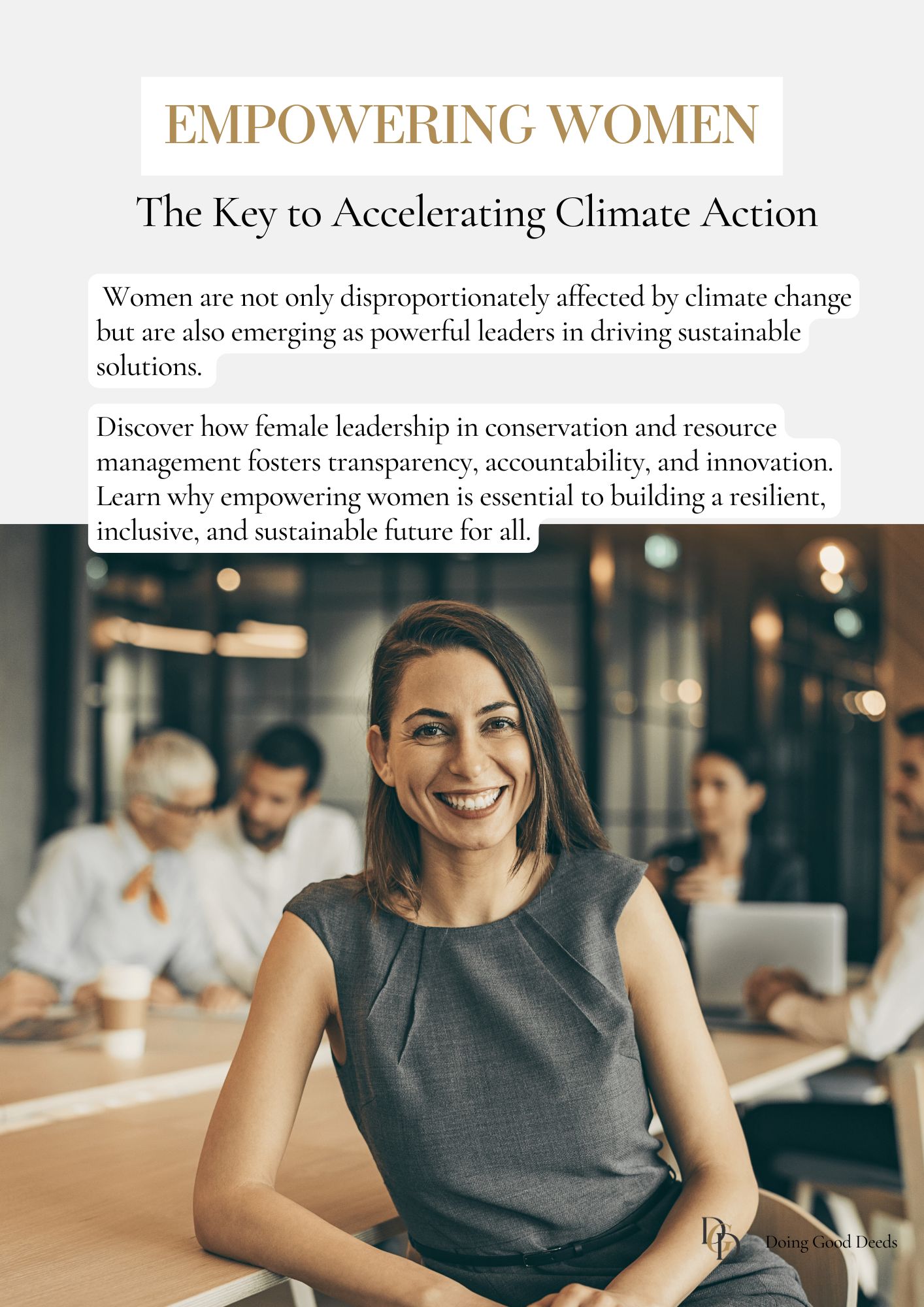
The Impact of Climate Change on Women
Beginning on a somber note, the effects of a warming planet are not equally felt. The UN estimates that of those displaced by climate change, 80% are women. Ever more prevalent natural disasters such as droughts, floods, cyclones, hurricanes, and wildfires are the leading causes of these displacements.
Women remain in harm's way even after these severe weather events occur, when assistance is needed most. Evidence from the UN Office of the High Commissioner for Human Rights (OHCHR) shows that violence against women and girls increases in disaster settings. Furthermore, a 21-year study sampling 141 countries found that more women die from disaster events than men.
These disparities highlight the urgency of integrating gender perspectives into climate strategies to address the unique vulnerabilities women face while empowering them to contribute to sustainable solutions.
The Role of Women in Climate Leadership
Research consistently highlights the transformative role of women in climate action. Female leaders are more likely to prioritise sustainability, energy efficiency, and community-focused solutions. Companies with greater gender diversity on their boards perform better in integrating sustainability into their strategies. Additionally, women-owned businesses often lead the charge in adopting environmentally conscious practices.
The rise of initiatives like the Women Climate Leaders Network demonstrates the growing recognition of women's vital contributions. By leveraging private sector leadership, this platform aims to amplify women's influence in environmental sustainability, creating ripples of change across industries.
Empowering Women for Greater Impact: Practical Steps We Can All Take
1. Make Education Accessible and Relevant
Encourage women to explore careers in environmental science, renewable energy, and sustainability. For example, sponsor a course, share free online resources, or mentor a young woman interested in these fields.
Sign up for the Women Climate Leaders Network newsletter and educate yourself on the issues at hand.
2. Build Connections That Matter
Mentorship doesn't have to be formal. Offer your time for coffee chats or professional advice to someone starting their journey in sustainability. Connect like-minded women through social media groups or local meetups to create a supportive network.
3. Advocate for Inclusive Policies
Whether in your workplace or community, push for policies that consider the unique challenges women face, such as caregiving responsibilities or unequal access to resources. Support gender equal climate strategies by speaking up in meetings or joining initiatives.
Simple Changes for Businesses and Communities
- Rethink Leadership: Start small by nominating or endorsing women for leadership roles in local sustainability projects or workplace committees.
- Get Involved Locally: Support grassroots programs. These are often led by women and address climate issues from the ground up. Volunteer your time or donate resources to make a tangible impact.
When women are at the forefront of climate solutions, we all win. These practical actions not only promote gender equity but also unlock innovative, diverse approaches to the world's most pressing challenges. So, whether it's mentoring one person or backing a policy that supports many, your steps can drive meaningful change.
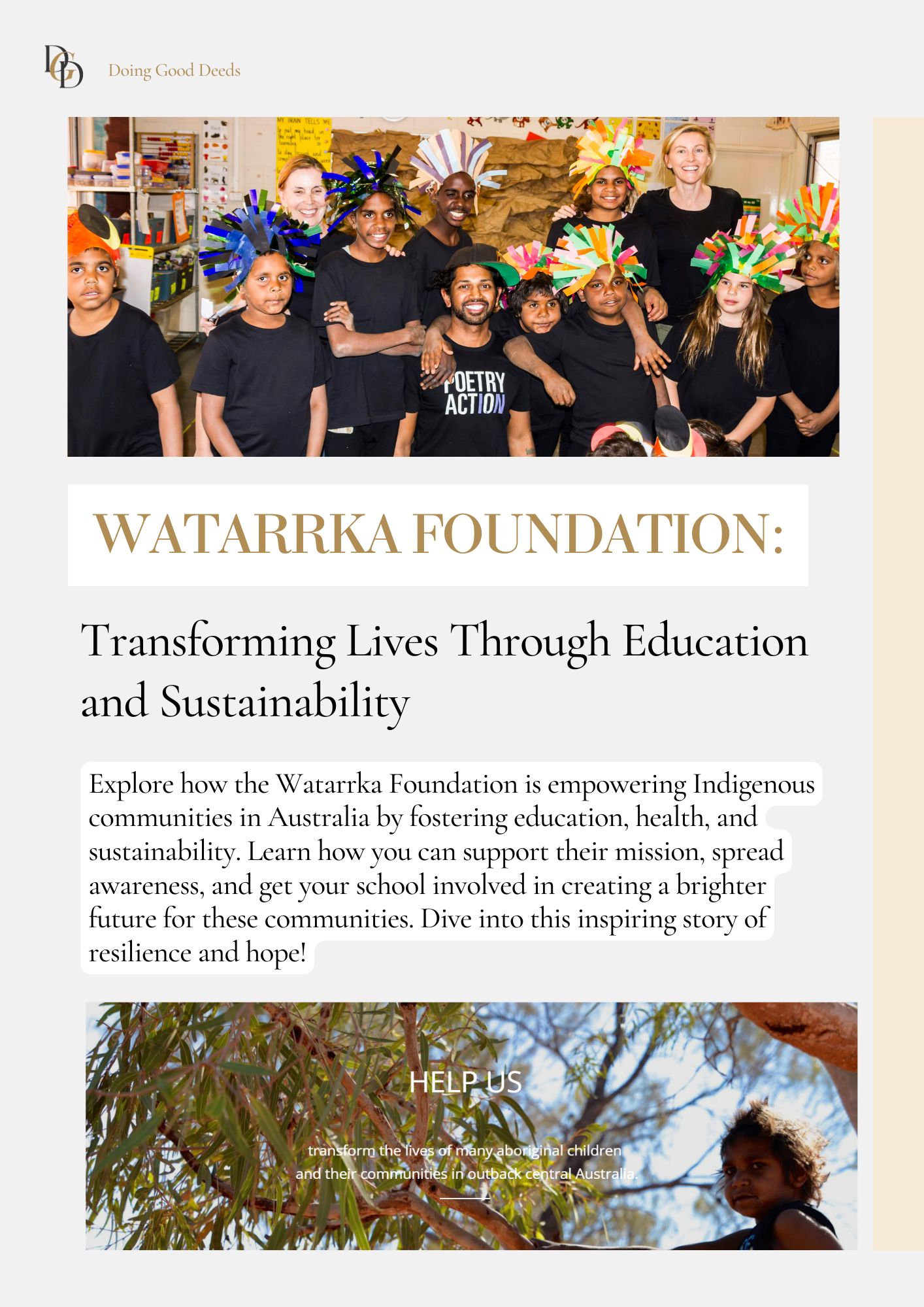
A Holistic Approach to Community Empowerment
The Watarrka Foundation operates across four core themes: access to basic services, health and nutrition, education, and community socialisation. These efforts are tailored to address the specific challenges faced by Indigenous communities in remote areas. One standout initiative is their focus on providing high school education to Indigenous children, enabling them to succeed academically without having to leave their communities.
With initiatives like school nutrition schemes and leadership-building activities, the foundation not only uplifts individuals but also strengthens the entire community fabric. The annual Lilla Sports and Storytelling Festival, for instance, combines sports, art, and storytelling to instil the importance of education and cultural pride among young participants.
Parents and educators can play a pivotal role in supporting the Watarrka Foundation's mission. Here's how:
1. Get Involved: Get your schools involved and go visit the magical sacred land out at Lilla with The Watarrka Foundation.
3. Sign up for their newsletter HERE
4. Donate: Encourage schools, parents, and students to contribute directly to the Watarrka Foundation. Donations can help fund critical initiatives like nutrition programs, education, and leadership-building activities.
The Broader Impact
This foundation's work is creating a ripple effect, not only within the Watarrka region but also by inspiring schools and organisations nationwide to prioritise inclusivity and cultural understanding.
How can your school or community contribute to promoting education and sustainable development in remote Indigenous regions?

The One Health Initiative
'One Health' is a World Health Organisation unifying approach to balance and optimise the health of people, animals and the environment. It is particularly important to prevent, predict, detect, and respond to global health threats. The approach mobilises multiple sectors, disciplines and communities at varying levels of society to work together. This way, new and better ideas are developed that address root causes and create long-term, sustainable solutions.
The Impact of Meat Production
The farming of land animals not only produces high levels of GHG emissions but also poses risks to public health through the spread of zoonotic diseases and antimicrobial resistance.
The One Health approach underscores the interconnectedness of human, animal, and environmental health, advocating for solutions that simultaneously benefit all three. Sustainable dietary changes, such as reducing reliance on animal products and incorporating plant-based alternatives, offer a powerful way to address these challenges.
Practical Steps for Households
1. Reduce Meat Intake: Opt for meat-free meals a few times a week. This simple step can significantly cut your carbon footprint.
3. Educate Yourself: Learn about the environmental and ethical implications of your food choices. Understanding the journey from farm to fork can inspire more conscious decisions.
The Vegan Society offers a comprehensive look at the ethical, environmental, and health-related reasons to adopt a vegan lifestyle. They cover everything from nutritional tips to the environmental impact of food choices.
A dedicated platform for news and resources about plant-based living, environmental sustainability, and animal welfare. This site features the latest scientific research and expert opinions on the climate benefits of vegan diets.
- Environmental Working Group (EWG)
EWG provides valuable insights into the environmental impacts of food production, including guides on how to make more eco-friendly food choices. It includes information on reducing carbon footprints through dietary changes.
- World Wildlife Fund (WWF)
WWF's "Food and Agriculture" section includes reports and recommendations on how food choices impact biodiversity and ecosystems. They promote sustainable, plant-based diets that reduce the environmental impact of food production.
Why It Matters
Making small daily dietary changes at home can radically mitigate climate change, improve public health, and support animal welfare. Moreover, these choices empower us as consumers to take charge of our environmental impact, fostering a culture of sustainability and compassion.
Call to Action
Start by making small changes to your diet and exploring the variety of plant-based options available. Share your journey with friends and family to inspire collective action.
ASL runs on volunteers. With roles for musicians, yoga teachers, and volunteer guides, ASL welcomes people from diverse backgrounds to join its mission of creating positive change.
Why Volunteer with A Sound Life?
Volunteering with ASL goes beyond giving back. It's an opportunity to be part of a compassionate community that supports individuals in need. As an ASL volunteer, you'll enjoy:
- Specialised Training: Free training tailored to your role, ensuring you're equipped with the skills to deliver impactful sessions.
-Flexible Commitment: A minimum of 10 sessions per year, with options to volunteer weekly, fortnightly, or monthly to suit your schedule.
-Comprehensive Support: Dedicated staff are available to guide you throughout your volunteering journey, including session preparation and access to counselling services if needed.
How Parents and Schools Can Get Involved
Parents and educators can encourage young people to volunteer or integrate ASL's mission into their community. Here's how:
1. Spread Awareness: Share ASL's work with schools, workplaces, or local communities.
3. Participate as a Family: Parents and children can explore virtual volunteering opportunities, like Zoom-based music or yoga sessions.
How to Become a Volunteer
Joining the ASL family is a straightforward process:
1. Complete the Registration Form: Provide your details and agree to ASL's terms of service.
2. Schedule a Zoom Interview: Have an informal chat with ASL staff to discuss your skills and goals.
3. Submit Required Documents: Upload your Police and Working With Children Checks, and, for yoga teachers, proof of public liability insurance and teaching certificates.
4. Specialised Training and Observation: Complete your role-specific training and shadow experienced volunteers before facilitating your sessions.
Volunteering Roles Available
- Musicians: Share the therapeutic power of music with those in need.
- Yoga Teachers: Lead trauma-sensitive yoga sessions to bring calm and healing.
- Volunteer Guides: Provide guidance and support during sessions, ensuring a smooth and enriching experience for participants.
The ASL Community Experience
ASL celebrates its volunteers through community gatherings, masterclasses, and access to enriching events. These occasions foster connection, shared learning, and joy, making your volunteer journey even more rewarding.
Call to Action
Ready to make a difference? Join A Sound Life's mission to bring healing through yoga, music, and guidance. Visit their website to learn more and start your registration process today!
Millions of farm animals endure cruel practices daily, including painful mutilations, confinement, and premature death. This campaign calls for a new framework to ensure that these animals receive the dignity and respect they deserve.
The Plight of Farm Animals in Australia
Farm animals in Australia often face conditions that would be deemed unacceptable for pets. The following examples highlight the urgent need for systemic change:
- Lambs: Mulesing, a painful procedure involving the removal of skin around their tails, is routinely performed on lambs without pain relief.
- Piglets: These sensitive animals are subjected to tail docking and teeth clipping in factory farms, spending their short lives in barren environments before being sent to slaughter.
- Chickens: Broiler chickens are bred to grow unnaturally fast, leading to severe health issues, immobility, and early death.
Australia's current welfare standards fall shockingly short of what the public expects and what scientific evidence clearly shows is necessary. The gap between policy and what's actually needed to protect vulnerable animals is impossible to ignore. These outdated practices reflect a system that doesn't prioritise the well-being of its fellow sentient creatures, and it's high time for a change.
What Is Fair Go for Animals Advocating For?
The campaign focuses on six key reforms to build a fairer, more independent animal welfare governance system. By advocating for science-based regulations, transparency, and accountability, the Fair Go for Animals initiative aims to create a kinder, more sustainable future for animals in Australia.
- Pledge Your Support: Visit fairgoforanimals.org.au to take the pledge and learn about ways to get involved.
By standing up for farm animals, you help pave the way for meaningful change in Australia's animal welfare policies. Your actions can inspire others to join the movement, creating a ripple effect that extends far beyond your immediate community.
What steps are you willing to take today to ensure a fairer future for our beloved farm animals?
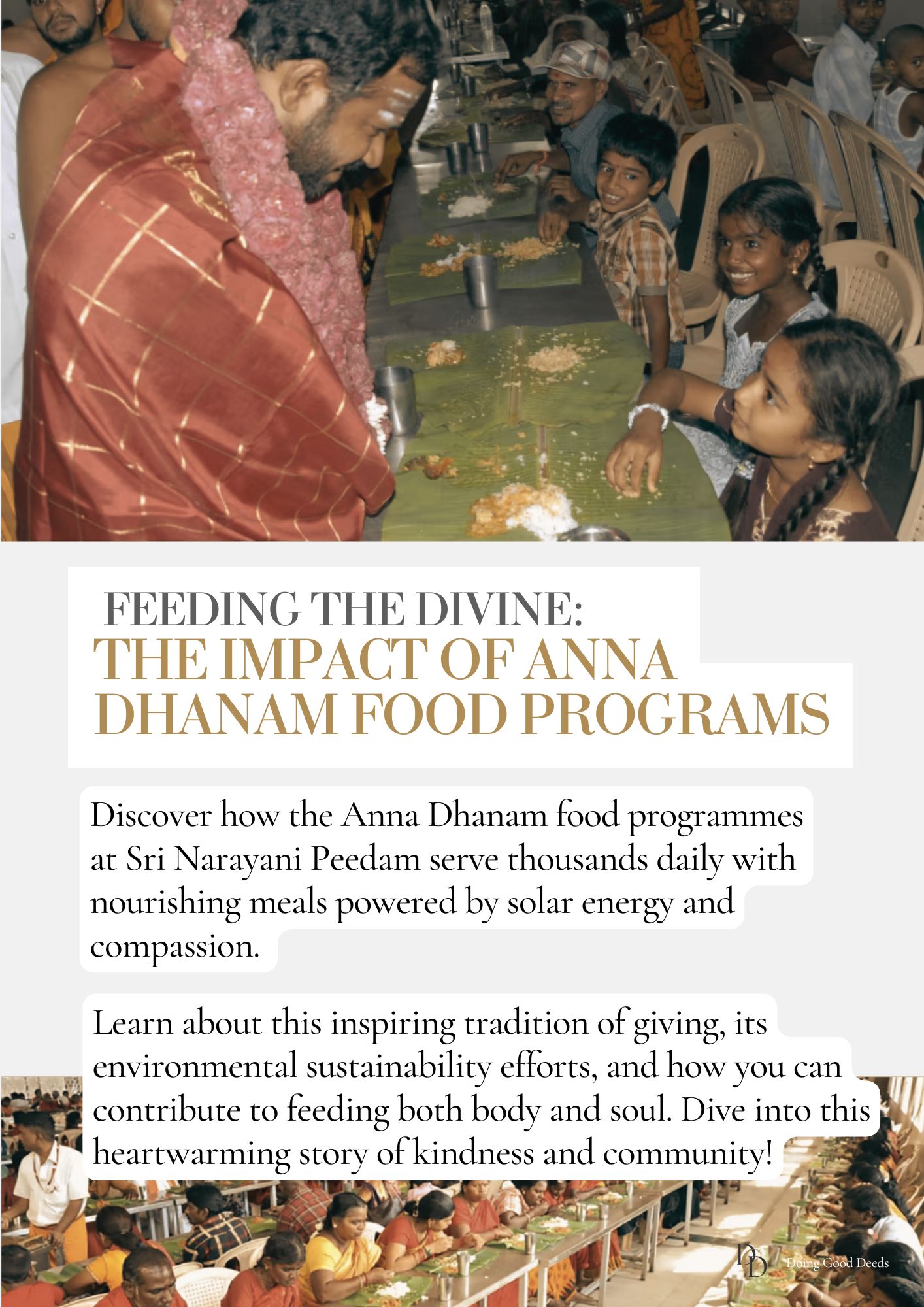
At Sri Narayani Peedam in Sripuram, India, the program feeds between 8,000 to 10,000 people daily, offering free South Indian meals on banana leaves to temple visitors, staff, and those in need. This act of service, referred to as "feeding the Divine," nurtures both body and soul while fostering a sense of community and gratitude.
A Tradition of Giving
Rooted in Indian tradition, Anna Dhanam (Anna = food; Dhanam = giving) represents the ultimate act of service. Sri Sakthi Amma, the visionary behind the initiative, believes that feeding others satisfies a deeper hunger, one of spiritual fulfilment. Beyond physical nourishment, this practice spreads joy and connection, making it a cornerstone of the temple's mission.
Sustainability at Its Heart
The Anna Dhanam program not only serves people but also cares for the environment. Since 2020, the temple kitchen has been powered by solar energy, cooking a tonne of rice daily for its guests. A biogas system, using food waste and cow dung, fuels the preparation of traditional dishes such as sambar, rasam, dhal, and vegetable curries. These measures save 3 million rupees annually and align with Sri Sakthi Amma's commitment to environmental stewardship.
Reaching Out in Times of Crisis
During the COVID-19 pandemic, the food programs expanded to include the distribution of cooked meals, rice, cooking oil, and other essentials to struggling families in the greater community. This compassionate response highlights the program's adaptability and its unwavering commitment to supporting communities in need during challenging times.
Why This Matters
Food is a universal language of love and kindness. The Anna Dhanam food program is a reminder of how small actions, when multiplied, can create monumental change. From environmental sustainability to nurturing the soul, this initiative demonstrates the power of collective compassion.
Call to Action
Be part of this transformative mission. Whether through donations, volunteering, or sharing the message, your contribution can bring joy and hope to thousands.
Incorporating acts of service into your daily life by packing an extra meal to give to someone in need, volunteering at a local food bank, or donating to organisations that fight hunger. Small, consistent efforts can make a big difference in your community.
How can you incorporate acts of service, like feeding the hungry, into your daily life?
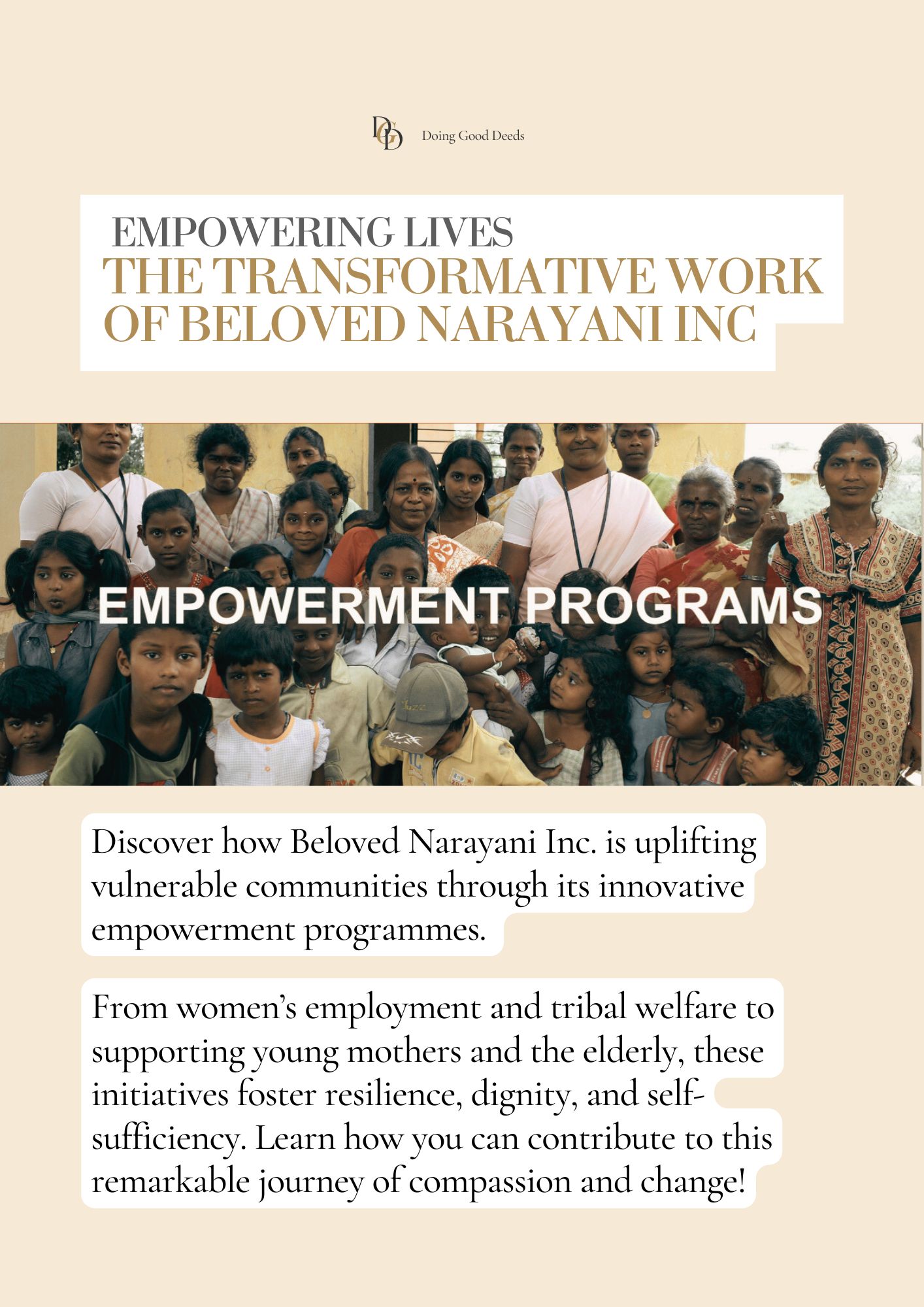
A Closer Look at the Empowerment Programs
Designed for families in distress, illiterate women, and families of long-term prisoners, this initiative provides vocational training, sewing machines, and business support. These efforts help participants rebuild their lives with dignity and purpose.
- Kalyani Program – Family Establishment
This program provides wedding expenses for couples from low-income backgrounds, this program relieves families of financial burdens, allowing them to celebrate without debt.
- Tribal Welfare Program
This initiative supports tribal communities near the Sri Narayani Peedam rainforest. Donations include school supplies, raincoats, blankets, and health services, ensuring these communities have access to essential resources.
- Vastra Dhaanam Program
Distributing over 10,000 saris annually, this program provides clothing to women in need, many of whom travel long distances to receive this support.
- Elderly & Young Mothers Support Program
Offering monthly financial assistance, this program ensures seniors and young mothers can sustain themselves and their families while pursuing self-employment opportunities.
How You Can Get Involved
- Donate: Contributions support critical initiatives like vocational training, school supplies, and financial aid.
The Impact of Empowerment
Beloved Narayani Inc. empowers individuals to rise above challenges, fostering communities rooted in equality and resilience. These programs are a testament to the transformative power of compassion, paving the way for sustainable change.
Key Initiatives Driving Change
1. Disaster Response
Caritas Australia provides immediate aid to communities devastated by natural disasters and conflict. Recent efforts include responding to the Beirut explosions and flooding in Southeast Asia, where the organisation has delivered food, shelter, and essential supplies to those in need.
2. Sustainable Development
Through grassroots programs, Caritas empowers communities to improve access to clean water, sanitation, education, and sustainable livelihoods. For instance, the Farmer Field School in Nepal has equipped rural communities with agricultural skills, promoting self-reliance and food security.
Recognising the impact of rising sea levels on Pacific Island nations, Caritas implements disaster risk reduction strategies to enhance community resilience. These efforts are crucial for mitigating the effects of climate change on vulnerable populations.
4. Advocacy and Indigenous Support
Caritas advocates for fair policies that address global inequality and climate justice while also supporting Indigenous communities in Australia. Projects such as Djilpin Arts provide sustainable income and development opportunities, fostering cultural preservation and economic growth.
The Power of Locally-Led Solutions
A cornerstone of Caritas Australia's approach is working hand-in-hand with local communities to harness their strengths and resources. This locally-led model ensures sustainable, long-term change that aligns with the unique needs and goals of each community.
How You Can Help
- Donate: Support Caritas Australia's initiatives to provide aid and promote justice.
How can you incorporate principles of compassion and justice into your daily life?
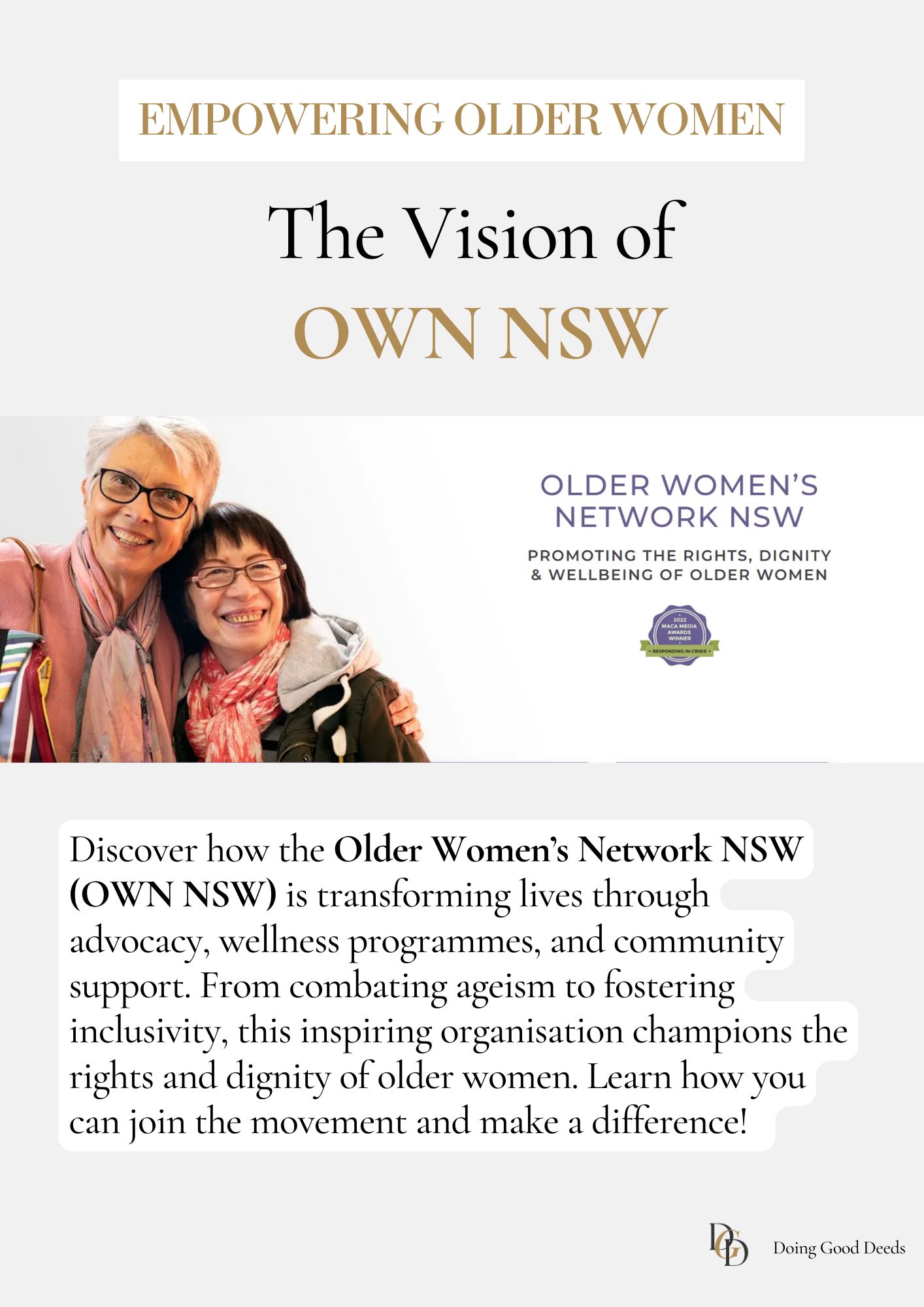
A Community of Support and Action
OWN NSW operates on the belief that older women deserve more than just a seat at the table, they deserve a thriving platform. Through its diverse initiatives, the network organises engaging activities, hosts advocacy campaigns, and provides wellness programs tailored to the needs of its members. These initiatives serve as vital tools in tackling challenges faced by older women, from combating ageism to ensuring their rightful place in society.
Key Areas of Focus:
- Homelessness: Older women are the fastest-growing demographic experiencing homelessness in Australia. Between 2011 and 2016, the number of women over 55 facing homelessness in NSW increased by 48%, with a 78% rise among those aged 65 to 74. OWN NSW addresses this crisis through initiatives like the Homes for Older Women (HOW) program, connecting women aged 55+ with affordable housing options in the Blue Mountains.
- Ageism: Despite the Age Discrimination Act 2004, ageism remains prevalent, affecting employment and societal participation. OWN NSW advocates for policy reforms and public awareness to combat age-related stereotypes and prejudices.
- Wellbeing and Connectedness: Social isolation significantly impacts older women's health. OWN NSW fosters community engagement through local groups and wellness centres, offering activities that promote physical and mental well-being.
- Financial Security:Women often face financial insecurity due to lower lifetime earnings and superannuation balances. OWN NSW provides resources and support to enhance economic empowerment, including programs like Your Two Cents Worth, offering financial advice tailored for older women.
- Elder Abuse: Up to 14% of older Australians experience elder abuse, with over 60% of cases involving family members. Emotional and financial abuse are the most common forms, leaving women over 70 who are widowed particularly vulnerable. OWN NSW raises awareness, educates communities, and advocates for stronger protections to ensure older women's safety and dignity.
How You Can Get Involved
Whether you want to contribute your time or simply be part of this incredible community, there are many ways to engage with OWN NSW:
- Join a Group: Participate in meaningful activities and connect with like-minded women.
- Volunteer: Use your skills to support OWN NSW's work and make a tangible difference.
- Start a Group: Help expand the network by initiating a new local group.
- Donate: Contribute to sustaining initiatives that uplift and empower older women.
OWN NSW's vision for a society rich in social capital is not just aspirational but actionable. The organisation's efforts are amplified by partnerships and supporters who believe in mutual respect, diversity, and social justice. By becoming a member or advocating for its cause, you directly impact the lives of older women across the state.













As a practitioner and advocate for holistic wellness, I have created a series of guided meditations on the Insight Timer APP to help you on your journey towards mindfulness and self-discovery.
Here are some of my recommended meditations that you can explore to enhance your daily practice.
Welcome to a healing meditation on relationships. Close your eyes, settle in, and become aware of your breath. Visualize a blanket of bright white light wrapping around you and the person you want to heal. Through intentional breathing and affirmations, release negative energy cords, dissolve contracts causing conflict, and call back your power.
Engage in forgiveness, set yourself free, and envision peace, understanding, and cooperation blossoming in your relationship. Breathe, feel the love, and embrace a brighter future.
This guided meditation offers a tranquil refuge for those seeking solace and healing after a relationship has ended. This fully guided meditation will help you to acknowledge your emotions without judgement, embrace affirmations that will release you from pain and leave you feeling empowered, and reimagine your future of happiness. It's designed to help individuals move forward with confidence and grace, reinforcing the possibility of healing and finding joy post-breakup.

Welcome to this guided meditation designed to empower and boost your business. Just as we nurture our own energy, our businesses also require daily love, care, and attention to thrive. Find a comfortable seated position, relax your body, and visualiSe your business in a bubble of light in front of you. Through deep breaths, send love, passion, and positive energy to your business, allowing it to come to life, grow stronger, and shine brighter.

Publisher & Editor In Chief
Speaker | Author | Facilitator | Mentor
Managing Editor & Creative Director